
Nigeria Unlocks the Power of Local Data to Wipe Out Malaria
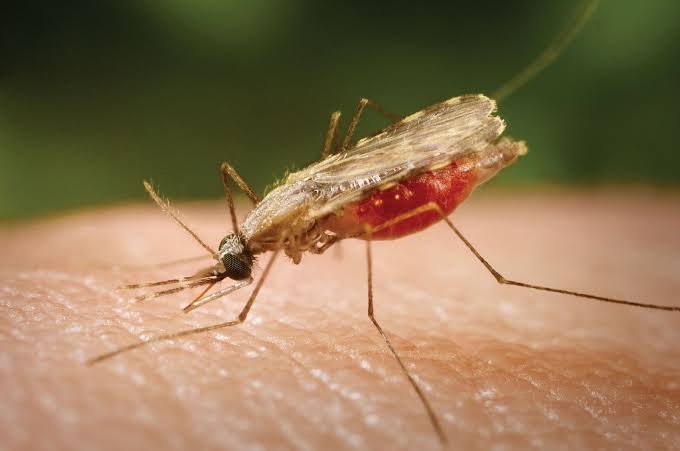
Nigeria Unlocks the Power of Local Data to Wipe Out Malaria
Nigeria, the most populous country in Africa, is leveraging local data to revolutionize its malaria control efforts, shifting away from a one-size-fits-all approach. This data-driven strategy, known as subnational tailoring (SNT), has been instrumental in identifying malaria needs in different states and local government areas, guiding decisions on interventions and funding since its introduction in 2019.
A Targeted Approach to Malaria Control
Nigeria Health Watch, a leading health think tank, has conducted research on the effectiveness of SNT in malaria control efforts. The research, conducted between 2025 and 2026 in collaboration with international partners, highlights the country's progress in adopting a targeted approach to malaria control. According to Vivianne Ihekweazu, Managing Director of Nigeria Health Watch, "Malaria does not affect every community in Nigeria in the same way. Our response cannot afford to treat it as though it does."
Data-Driven Decision Making
The National Malaria Data Repository, launched in 2020, has played a crucial role in improving access to malaria data and providing a broader evidence base for decision-making. This repository has brought together routine surveillance, household surveys, campaign monitoring, and data from partners, enabling the country to make informed decisions on malaria interventions. As a result, seasonal malaria chemoprevention has expanded to 21 of Nigeria's 36 states, while SNT evidence has guided the distribution of insecticide-treated nets in southern Nigeria and target indoor residual spraying in malaria hotspots.
Progress and Challenges Ahead
Nigeria's national malaria parasite prevalence has declined significantly, from 27% in 2015 to 15% in 2025, according to the research. Local data has also influenced funding decisions, with subnational analysis, intervention planning, and costed operational plans informing Global Fund grant negotiations and US President's Malaria Initiative investment decisions. However, the research identifies several challenges that could affect efforts to sustain SNT, including gaps in routine surveillance and private-sector data, differences in technical and analytical capacity, unreliable financing, fragmented supply chains, and logistical problems.
Sustaining Progress and Scaling Up Efforts
To sustain progress and scale up efforts, Nigeria Health Watch recommends that governments include SNT in annual health planning and budgeting. They also call for investment in local analytical capacity, better data quality, and greater use of evidence when deciding how limited resources should be allocated. For donors, the research recommends that funding should follow priorities identified through SNT to reduce duplication and better reflect differences in malaria burden and health system needs between states.
A virtual briefing, hosted by Nigeria Health Watch on 18 August 2026, will discuss the findings and what is needed to sustain a more targeted malaria response. This event will bring together journalists, researchers, and other stakeholders, providing a platform for sharing knowledge and best practices in malaria control efforts. As Nigeria continues to unlock the power of local data to wipe out malaria, it serves as a model for other countries to adopt a targeted approach to malaria control, ultimately saving lives and reducing the burden of this preventable disease.
Source: Joy Online