Public trust crisis around Special Prosecutor is fueling attacks on OSP – Kpebu
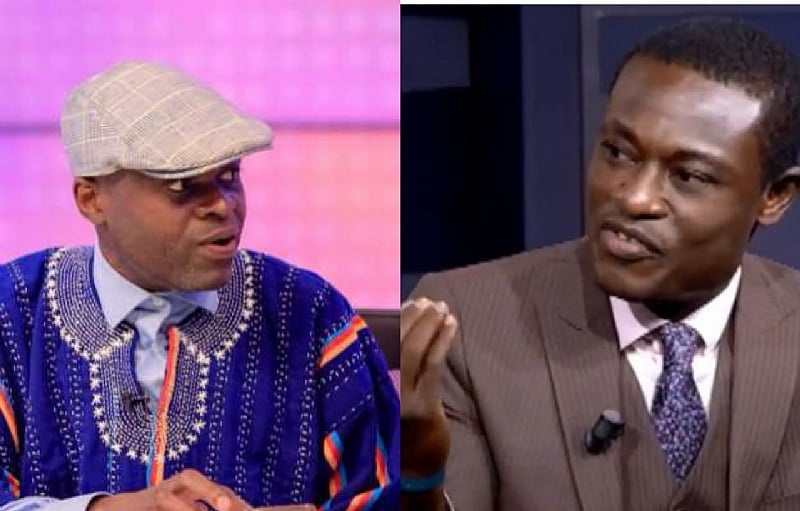
Special Prosecutor Kissi Agyebeng needs adult supervision, private legal practitioner Martin Kpebu said on Joy News on Monday.
Speaking on the current affairs program PM Express, Kpebu said declining public trust in Agyebeng is driving public attacks against the Office of the Special Prosecutor. He said the conduct and leadership style of the current occupant make it difficult for citizens to separate the institution from the individual running it.
Suggestions had emerged that criticism of the anti-graft agency was rooted in personal dissatisfaction with Agyebeng. Kpebu confirmed that connection during the broadcast.
The Ambassador of the Office
Kpebu said the head of any public agency inevitably becomes its public face. Because of that position, criticism directed at the individual spills over directly onto the organization.
It is possible that the attacks are tied directly to the occupant, Kpebu said. He explained that the chief executive functions as the primary representative of the institution.
When someone dislikes the activities and governance style of the leadership, that dissatisfaction impacts the entire office, Kpebu said. The situation worsens when an officeholder acts in a manner that damages overall public confidence.
Kpebu said it remains difficult to separate the office from the person holding it. He identified that overlap as the primary driver of the current friction surrounding the anti-corruption body.
The loss of public trust must not be treated lightly, Kpebu added. He said the public perception of the agency suffers whenever the leadership loses credibility.
Flaws in the OSP Act
Kpebu criticized the original framework of the Office of the Special Prosecutor Act, 2017 (Act 959). He said the lawmakers who wrote the law assumed that every appointee would behave correctly without strict oversight.
The original drafting failed to anticipate scenarios where an occupant might lose the trust of the public, Kpebu said. He argued that parliamentarians operated under unrealistic expectations when they passed the legislation.
The Act showed a lack of foresight because it presumed every occupant of the office would be an angel, Kpebu said. He added that the lawmakers failed to insert adequate legal mechanisms to control the head of the agency.
Without built-in checks and balances, the statutory structure left the office vulnerable to the individual actions of its leader, Kpebu said. The current controversy shows the necessity of formal boundaries around the position.
The Legal Battle
Kpebu’s comments followed a series of legal challenges involving the constitutional powers of the anti-graft office. In April 2026, a High Court issued a decision that restricted the agency’s independent operations.
The High Court ruled that the Office of the Special Prosecutor could not independently prosecute criminal matters without explicit authorization from the Attorney-General. That ruling ordered all active cases handled by the agency to be transferred to the Attorney-General.
The decision sparked further legal debate regarding the boundaries of statutory prosecutorial authority in Ghana. The case advanced to the highest court in the country for final determination.
On July 29, 2026, the Supreme Court issued its judgment on the matter. A seven-member panel of the apex court considered the statutory mandate of the agency alongside constitutional provisions.
Supervision under Article 88
The seven-member Supreme Court panel unanimously set aside the April 2026 High Court decision. The apex court upheld the constitutionality of Act 959, rejecting the legal challenge aimed at stripping the agency of its prosecutorial mandate.
At the same time, the Supreme Court affirmed the overarching prosecutorial authority of the Attorney-General under Article 88 of the Constitution. The ruling confirmed that while the agency retains its mandate, its work remains under the supervision of the principal legal advisor to the government.
Kpebu said the Supreme Court judgment corrected the oversight gap built into the original 2017 legislation. He argued that placing the anti-graft body under the Office of the Attorney General creates the necessary oversight structure.
The Supreme Court placed the agency under the Attorney General so the Attorney General supervises the Special Prosecutor, Kpebu said.
Kpebu said Agyebeng specifically required that external oversight. He said the Special Prosecutor had not conducted himself well during his tenure in office.
The Supreme Court ruling of July 29, 2026, established that the Attorney-General retains ultimate prosecutorial authority under Article 88 while Act 959 remains constitutionally valid.
According to Joy Online.