Kaba and slit: the outfit Ghanaian women have worn to church, weddings and parliament for generations
Walk into any Ghanaian church on a Sunday morning and you will count more kaba and slit outfits than you can finish counting before the first hymn.
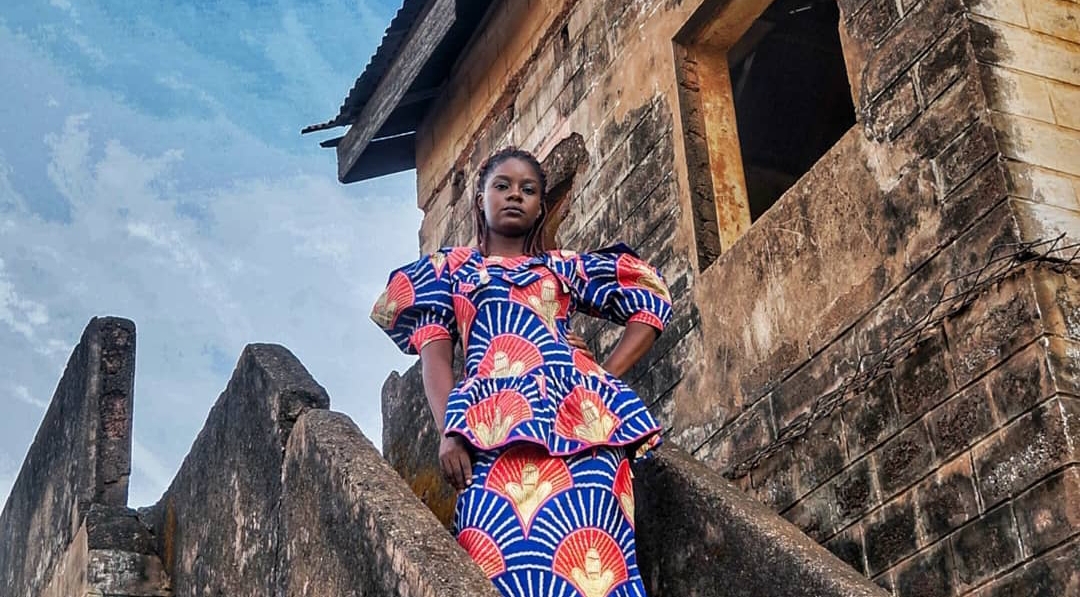
The kaba is a fitted blouse. The slit is a long, fitted wrap skirt, usually with a split at the back or side so the wearer can walk. Made from the same printed cloth and often worn with a matching headwrap, the outfit is the closest thing Ghanaian women have to a national dress.
A name with a disputed history
The origin of the word “kaba” is argued over. One popular account links it to the English word “cover”, from the colonial period when missionaries pushed women to cover their upper bodies. Another links it to similar blouses worn along the coast of West Africa. What is clear is that the blouse-and-wrapper combination grew out of the meeting of local dress with missionary expectations, and that Ghanaian women took the result and made it their own.
The cloth that makes it
Kaba and slit is usually made from wax print, the bright, patterned cotton that is sold across West Africa in six-yard pieces. Brands such as Vlisco, from the Netherlands, and the Ghanaian manufacturers GTP and ATL have long been names Ghanaian women know by heart. Popular prints carry nicknames, and older women can often tell you what a pattern was called and what it was saying when it first appeared.
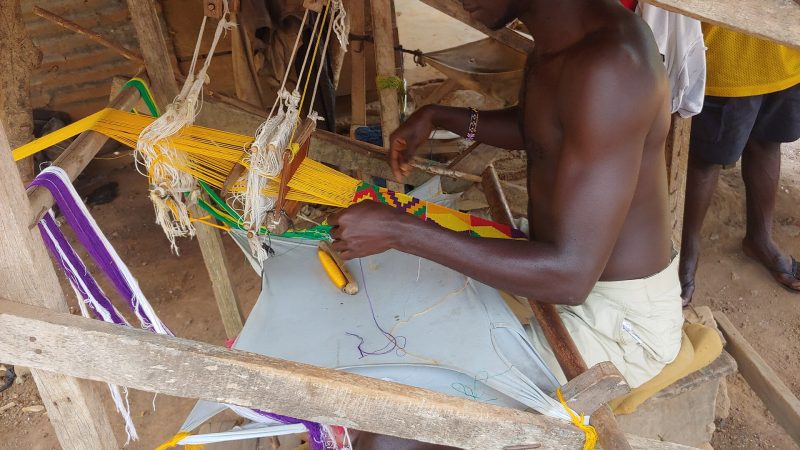
Kente, lace and other fabrics are used for grander occasions. A kente kaba and slit is common at engagements and traditional weddings, and lace versions turn up at funerals and big celebrations.
The seamstress is the designer
Kaba and slit is almost never bought off the rack. Women take their cloth to a seamstress, show a picture or describe a style, and the outfit is sewn to their measurements. That makes every kaba and slit a one-off, and it has kept thousands of seamstresses and tailors in business across the country.
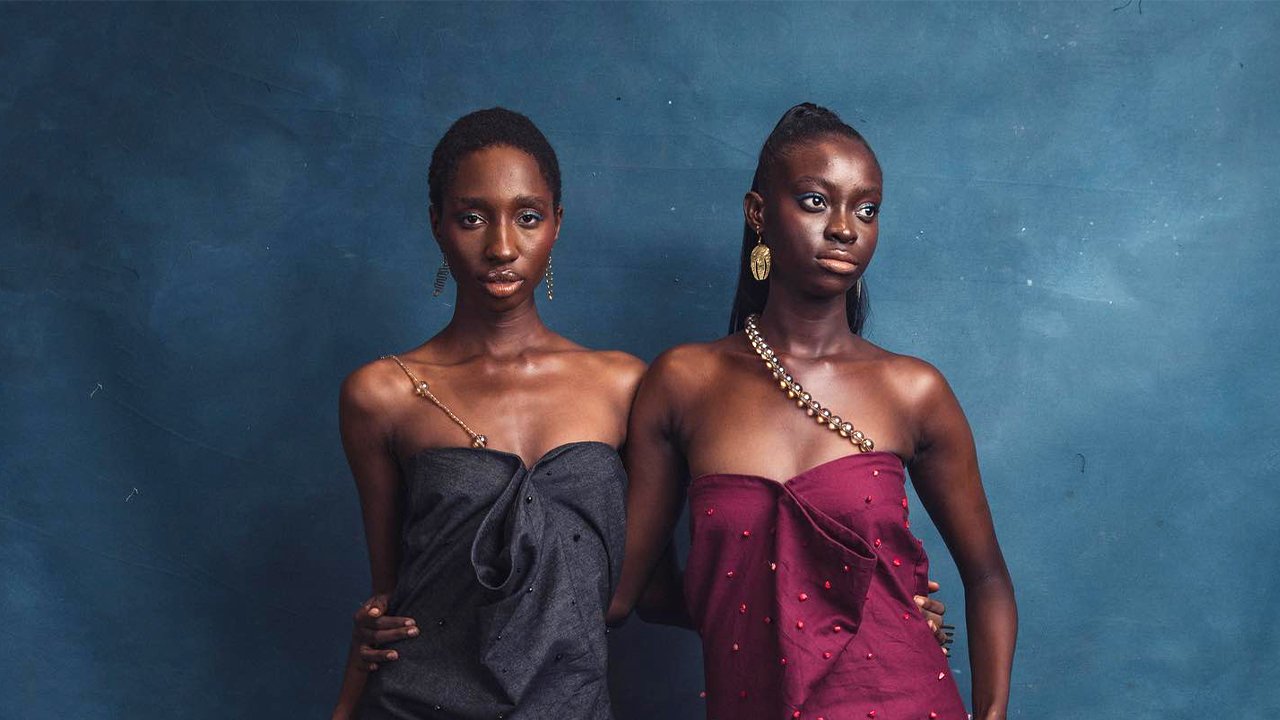
The styles change constantly. Puffed sleeves, off-shoulder necklines, peplums, asymmetric cuts and corset-style tops have all had their moment. Instagram and TikTok now carry new designs across the country in days, and many young designers built their brands by reworking kaba and slit for a new generation.
From church to Parliament
The outfit crosses every setting. It is worn to church, to funerals in darker cloths, to weddings, to the office on National Friday Wear days, and to Parliament, where women MPs regularly wear it for the State of the Nation address. First ladies have worn it on state visits abroad as a statement of identity.
Why it lasts
Western fashion is everywhere in Ghana, and young women wear jeans and dresses as much as anyone. Yet the kaba and slit has never faded, because it adapts. It can be modest or daring, traditional or fashionable, cheap or very expensive, depending on the cloth and the cut.
The quickest way to see it at its most competitive is a Ghanaian wedding reception. The family of the bride often chooses one fabric for everyone, and every woman in that cloth has made sure her seamstress cut it differently from her sister’s.