400 years after the first enslaved Africans reached Virginia, Ghana invited their descendants home. What the Year of Return changed
In September 2018, President Nana Akufo-Addo stood in Washington, D.C., before the Congressional Black Caucus and invited Africans in the diaspora to come home in 2019.
The date was chosen with care. August 2019 marked 400 years since the first recorded group of enslaved West Africans, about 20 people, arrived in the English colony of Virginia in 1619. Ghana, whose coast holds dozens of the forts and castles through which enslaved people were shipped, called the anniversary year the Year of Return.
Why Ghana
Ghana had been building this relationship for decades. Kwame Nkrumah invited African Americans and Caribbean people to the new nation after 1957; W.E.B. Du Bois moved to Accra in 1961, became a Ghanaian citizen and is buried there. The Joseph Project in 2007 and the annual PANAFEST and Emancipation Day events kept the idea alive. The Year of Return turned it into a national marketing campaign with a slogan, a calendar of events and a presidential face.
What 2019 looked like
About 200,000 visitors came to Ghana through the campaign during the year, according to figures cited at the time. The busiest period was December, when concerts, festivals and parties packed Accra. Celebrities including Steve Harvey, Cardi B and Boris Kodjoe were among those who visited or took part in events, and their social media posts carried Ghana to audiences that the tourism authority could never have reached on its own.
Many visitors made the trip to Cape Coast Castle and Elmina Castle, where they walked through the dungeons and the “Door of No Return”. For a lot of African Americans, that visit was the emotional centre of the trip.
Citizenship and staying
The campaign did more than bring tourists. In November 2019, Ghana granted citizenship to 126 members of the diaspora at a ceremony in Accra, most of them African Americans and Caribbean people who had been living in Ghana. Further grants followed in later years. A small but visible community of returnees now lives in Accra, running businesses, restaurants and creative companies.
Beyond the Return
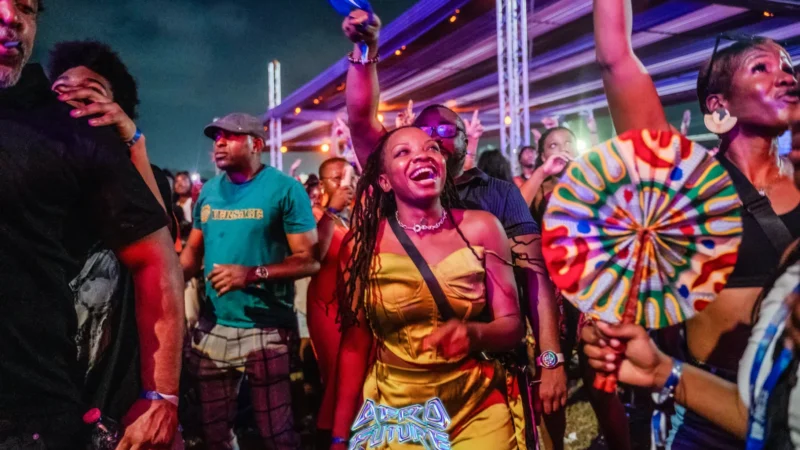
The government followed up with Beyond the Return, a ten-year project launched in 2020 to keep the diaspora connection going through investment, tourism and cultural exchange. December in Accra, “Detty December” as it has come to be known, now draws large diaspora crowds every year, with festivals such as AfroFuture and a packed concert calendar.
The criticism
The campaign had critics from the start. Some Ghanaians asked why visitors were welcomed with events the average local could not afford, and why the money spent on promotion did not reach communities around the slave forts. Others pointed to rising prices in Accra every December. Returnees themselves have spoken about paperwork, land disputes and the gap between the welcome in the advertisements and the bureaucracy afterwards.
The forts on the coast have not changed. The Door of No Return at Cape Coast Castle now has a sign on the other side, facing inland, that visitors photograph more than any other: “Door of Return”.