African Fashion Trends 2026: Ankara Fusion, Adire Revival & Aso Ebi
African fashion has never been more confident, or more valuable. Nigeria’s fashion industry alone is now estimated at roughly ₦1.17 trillion (about $783 million), one of the most economically significant creative sectors on the continent, and platforms like Aso Ebi Bella command audiences in the millions.
Here’s what’s actually trending in 2026, and how to wear it.
1. Ankara fusion is the trend of the year
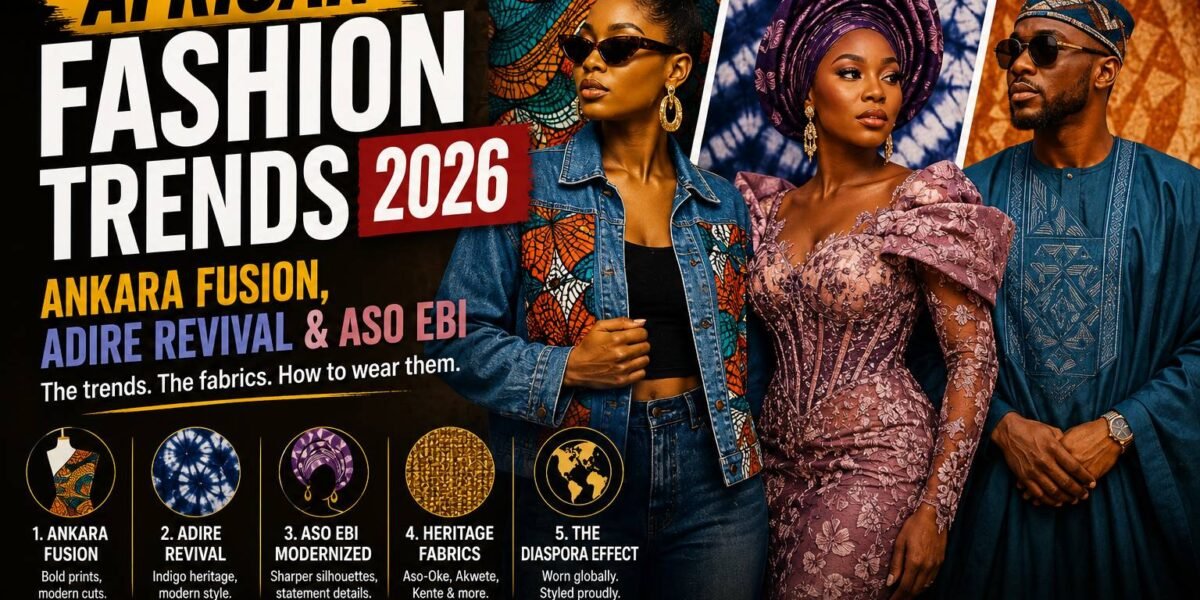
The defining look of 2026 is Ankara fusion: bold African prints cut into silhouettes and paired with materials nobody expected a decade ago. Think Ankara panels on denim jackets, Ankara-and-leather two-pieces, and prints layered against lace for evening wear.
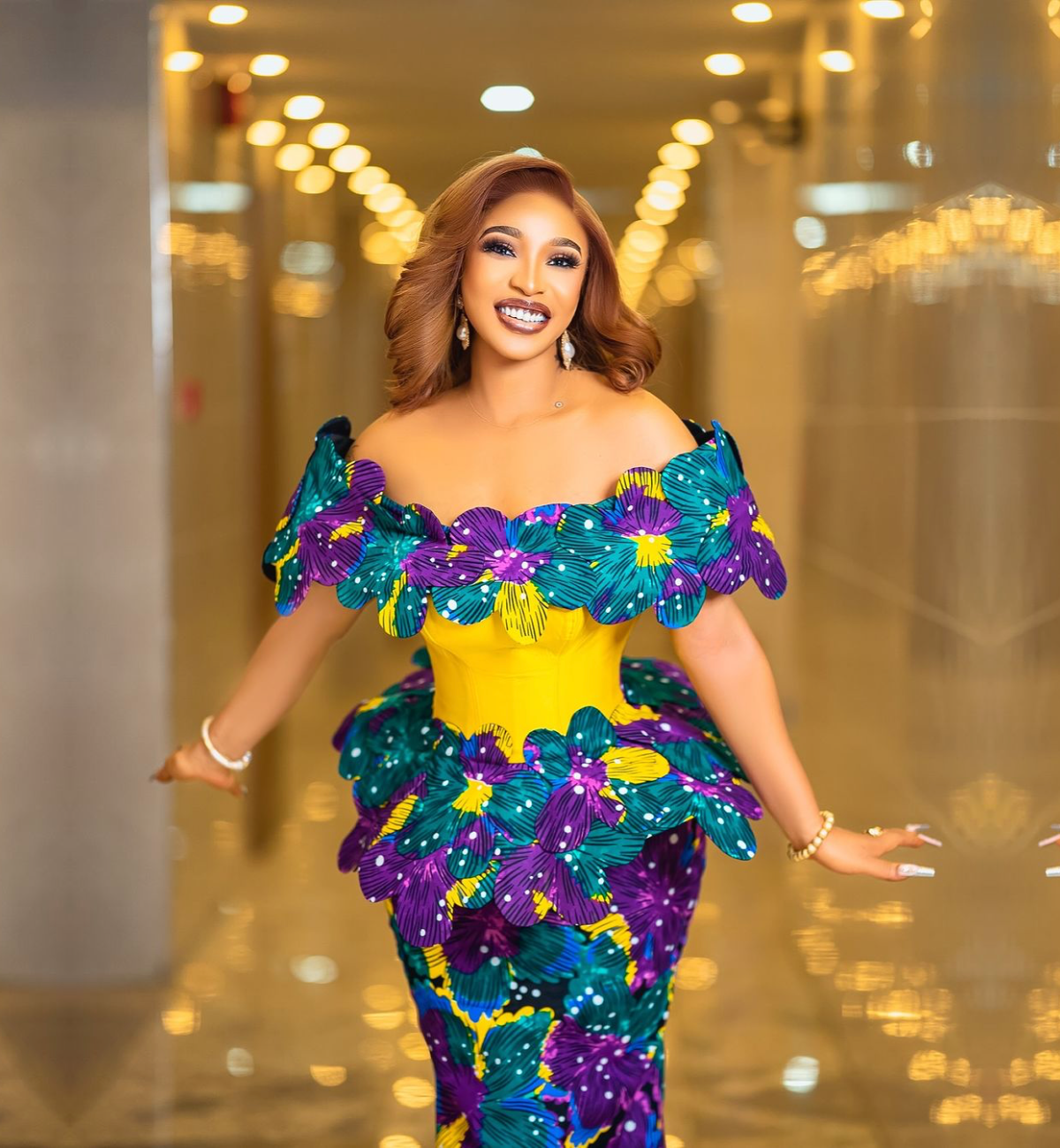
Ankara used to live mostly at weddings and ceremonies. Now it’s in offices, airports and streetwear rotations. The geometric patterns and saturated colour that make the fabric instantly recognisable are exactly what modern minimalist wardrobes were missing — and designers have noticed.
How to wear it: start small. One fused statement piece — an Ankara-sleeve denim jacket, print trousers with a plain tee — lets the fabric speak without shouting.
2. The Adire revival
Adire, the indigo resist-dyed cloth of the Yoruba, is having a full contemporary revival. Where Ankara is loud and graphic, Adire is moody and organic — hand-dyed patterns that make every piece slightly unique. In 2026 it’s showing up in oversized shirts, slip dresses and unisex sets, often in modern colourways far beyond the traditional deep blue.
The appeal is authenticity. Adire is a genuinely indigenous textile with centuries of history, and in an era of mass production, “hand-made in Abeokuta” is the ultimate luxury label.
3. Aso ebi, modernised
Aso ebi — the coordinated “family cloth” worn by friends and relatives at Nigerian celebrations — remains the beating heart of occasion wear, but its silhouettes keep evolving. The 2026 mood is structured: peplum waists, corseted bodices, dramatic sleeves and embroidered lace sets that photograph beautifully from every angle (because let’s be honest, the owambe photos are half the point).
Traditional kaftans and agbada are getting the same treatment for men — cleaner lines, lighter fabrics, and embroidery used as an accent rather than a covering.
4. Heritage fabrics beyond Ankara
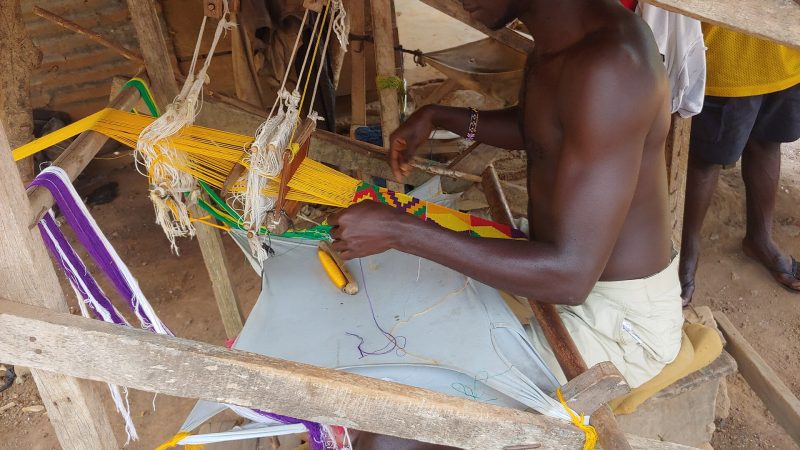
Designers are reaching deeper into the textile archive: Aso-Oke woven strips reimagined as jackets and clutches, Akwete cloth from south-eastern Nigeria in contemporary tailoring, and Ghanaian kente used in graduation and ceremony wear across the diaspora. The message of 2026 is that “African print” is not one thing — it’s a library.
5. The diaspora effect
From London to Atlanta, second-generation Africans are wearing heritage fabrics as everyday identity, not costume — and social media has collapsed the distance between Lagos designers and global buyers. A style that debuts at a Lagos wedding on Saturday is on a Pinterest board in Toronto by Monday.
The takeaway
African fashion in 2026 is not asking for permission or “inspiration” credits. It’s a trillion-naira industry setting its own trends: Ankara fused with denim and leather, Adire made contemporary, aso ebi sharper than ever, and heritage weaves treated like the luxury textiles they always were.
The best part? You don’t need a wedding invitation to join in. One good print piece is all it takes.
Which trend are you wearing this year? Show us on Instagram @culturegossipp — and read our guide to African fashion history for the story behind the fabrics.