
Zero Tolerance: Education Ministry Stands Firm Against Harassment in Schools
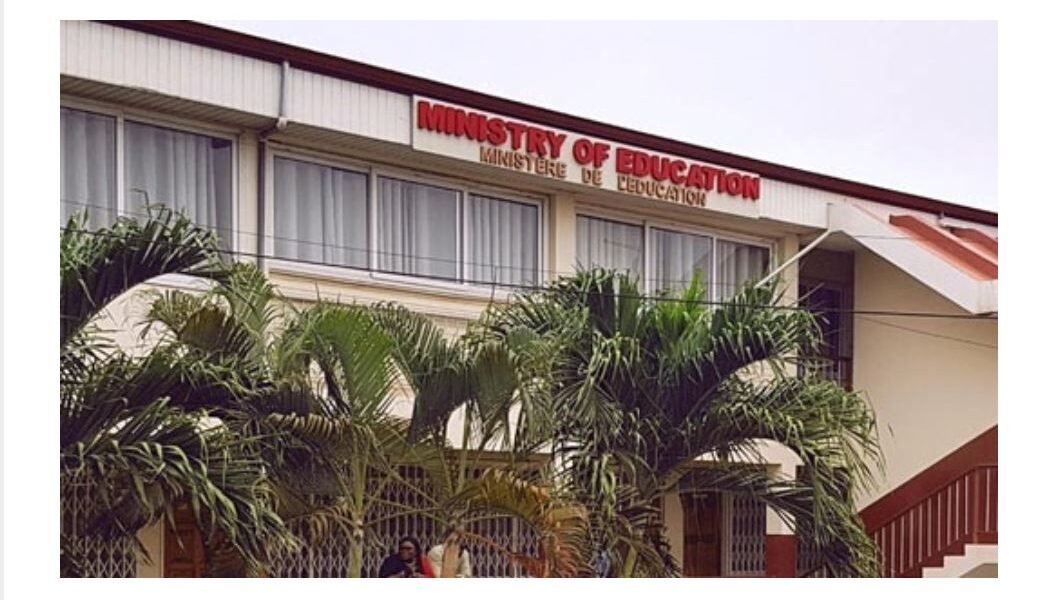
Deputy Director of the Tertiary Directorate at the Ministry of Education, Harriet Krakani, has reiterated the government's zero-tolerance stance on sexual harassment in Ghana's educational institutions. This stance was reaffirmed at a recent multi-tertiary stakeholder conference in Accra aimed at strengthening survivor-centred sexual harassment prevention and response in tertiary institutions.
Zero Tolerance for Sexual Harassment
Sexual harassment has no place in Ghana's educational institutions, according to Ms Krakani. She emphasized that tertiary institutions must strengthen prevention, reporting, and support systems to protect students and staff and ensure safe learning environments. "Government is unequivocal in its position that sexual harassment has no place in our educational institution," she said. Ms Krakani stressed that institutional responses should go beyond dealing with incidents after they occur and create institutional cultures where sexual harassment is actively prevented.
The conference, organized by the Perfector of Sentiments (POS) Foundation and Amplify Change, focused on translating policy commitments into practical action. Representatives from various universities, including the University of Ghana, Kwame Nkrumah University of Science and Technology, and the University of Cape Coast, attended the conference. Ms Krakani commended the organizers for challenging stakeholders to move beyond policies and commitments to practical action that protects the dignity, safety, and well-being of everyone within tertiary institutions.
Creating a Culture of Prevention
Ms Krakani emphasized the need to create institutional cultures where sexual harassment is actively prevented. She said that institutional responses must prioritize the dignity and safety of survivors, protecting their confidentiality and providing appropriate support and referrals. The Deputy Director also stressed that policies must be translated into clear procedures that students and staff understand and can readily access. "No student should have to compromise personal safety in pursuit of academic opportunity, and no faculty or staff should work in an environment where harassment and intimidation is tolerated," she said.
The Ghana Tertiary Education Commission (GTEC) has developed guidelines for anti-sexual harassment policies in tertiary education institutions. These guidelines provide a framework for prevention, reporting, and response, protection, and enforcement. Ms Krakani said that the Ministry welcomes the survivor-centred approach being promoted through the conference, which prioritizes the dignity, safety, and needs of survivors.
A Multi-Stakeholder Approach
Preventing sexual harassment in tertiary institutions requires a multi-stakeholder approach, Ms Krakani said. She urged institutions to take ownership of the interventions and integrate effective prevention and response mechanisms into their systems. The Deputy Director also called for sustainable structures that would remain functional beyond individual projects and programs. "Policies must be translated into clear procedures that students and staff understand and can readily access," she emphasized.
The conference also highlighted the need for effective implementation of sexual harassment policies. Ms Krakani urged institutions, students, and staff to strengthen collaboration, raise awareness, and promote institutional accountability. "Let us use this conference to ensure that no survivor is silenced, no report is ignored, no institution becomes complacent in the face of sexual harassment," she said.
In conclusion, the Ministry of Education's zero-tolerance stance on sexual harassment in Ghana's educational institutions is a significant step towards creating a safe and inclusive learning environment. As Ms Krakani emphasized, preventing sexual harassment requires a multi-stakeholder approach, and it is crucial to translate policies into practical action that protects the dignity, safety, and well-being of everyone within tertiary institutions.
Source: Joy Online