Judicial Reckoning: NPP’s Miracles Aboagye Rips into Judiciary’s Handling of High-Profile Cases
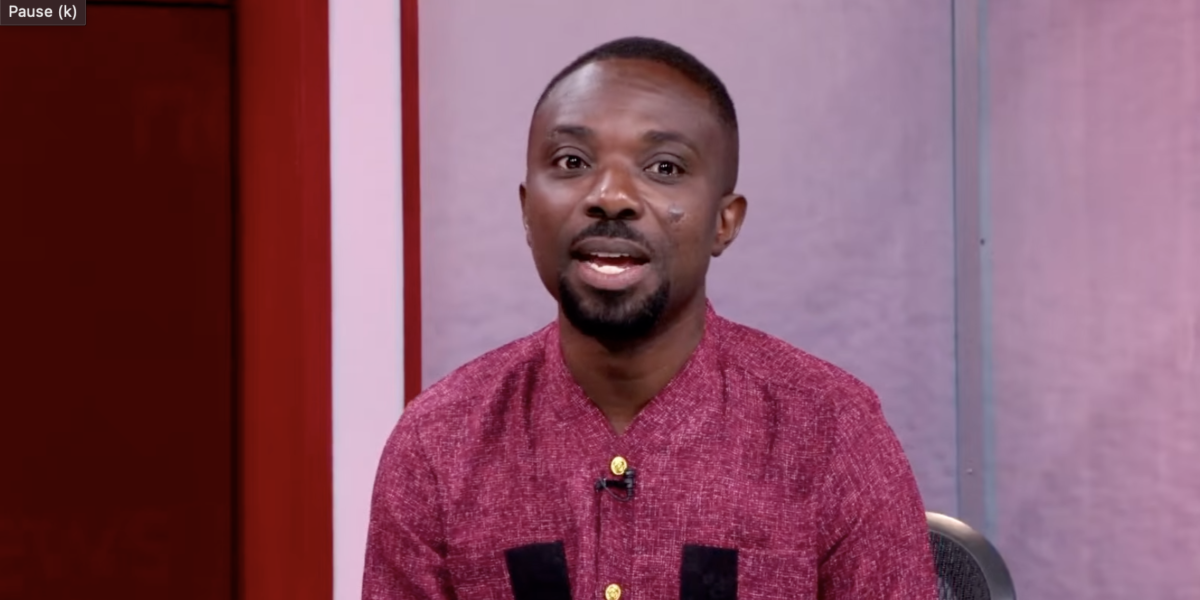
Dennis Miracles Aboagye, an aspiring National Communications Officer of the New Patriotic Party (NPP), has publicly criticized the judiciary for its handling of high-profile cases in Ghana.
Selective Justice Concerns Deepen Ahead of NPP Demonstration
Dennis Miracles Aboagye, an aspiring National Communications Officer of the New Patriotic Party (NPP), has questioned what he describes as the selective handling of criminal cases by the judiciary. He argued that recent developments have deepened concerns about fairness in the administration of justice. Speaking on JoyNews' PM Express on Tuesday ahead of the NPP's planned demonstration, Mr Aboagye said the protest was partly driven by growing unease over what he believes is the selective application of justice.
The demonstration comes amid heightened political debate over the handling of high-profile cases involving politicians and public officials. The NPP has accused state institutions of unfairly targeting some individuals while treating others differently. When host Evans Mensah asked whether the incarceration of Ashanti Regional NPP Chairman Bernard Antwi Boasiako, popularly known as Chairman Wontumi, and the case involving former MASLOC Chief Executive Sedinam Tamakloe had influenced the reasons for the protest, Mr Aboagye said concerns about selective justice had become impossible to ignore.
A Call for Judicial Independence
"That is also another matter. The selective justice, the selective application of our justice system, is also obvious to all of us. It's become even now blatant," Mr Aboagye said. He revealed that he had written to the Chief Justice to express concerns about what he described as the judiciary's closeness to the Executive. "I wrote a letter to His Lordship," he said. He disclosed that although the Chief Justice did not personally respond, the Judicial Secretary issued a statement addressing some of the issues he had raised.
Keeping Politics and Judiciary Separate
Mr Aboagye maintained that the judiciary must remain insulated from political influence. "I am of the view that we need to keep our judiciary very far away from our politics, far, far, far away from our politics," he emphasized. Rejecting comparisons with past administrations, Mr Aboagye insisted his concerns were based on current developments. "I don't take those excuses of comparisons, those excuses of what was done. I don't care. I am a citizen. I feel that, as it is happening today, I am worried about it. I want to speak up," he said.
The Judiciary's Role in Selective Justice
Mr Aboagye argued that many people expected to join Wednesday's protest shared similar concerns. "The 10s and 1000s of people you will be seeing tomorrow on the street are simply saying that the judiciary seems to be romancing with the executive and is making the executive too comfortable," he said. Pressed to explain what he meant by selective justice, Mr Aboagye pointed to the handling of criminal cases during the legal vacation. "For example, listen, a criminal is a criminal," he said. He questioned why only certain criminal cases had been selected to proceed while others remained pending.
A Judicial Reckoning Looms
The controversy surrounding the judiciary's handling of high-profile cases has sparked a heated debate in Ghana. As the NPP prepares to hold a demonstration, the spotlight is on the judiciary's role in ensuring fairness and impartiality in the administration of justice. With Mr Aboagye's comments, the call for judicial independence and transparency has grown louder. As the country awaits the outcome of the protest, one thing is clear: the judiciary's handling of high-profile cases will be under intense scrutiny.
Source: Joy Online