Ghana’s Debt Burden: Minister Reveals Shocking Repayment Plan for GH¢111 Billion
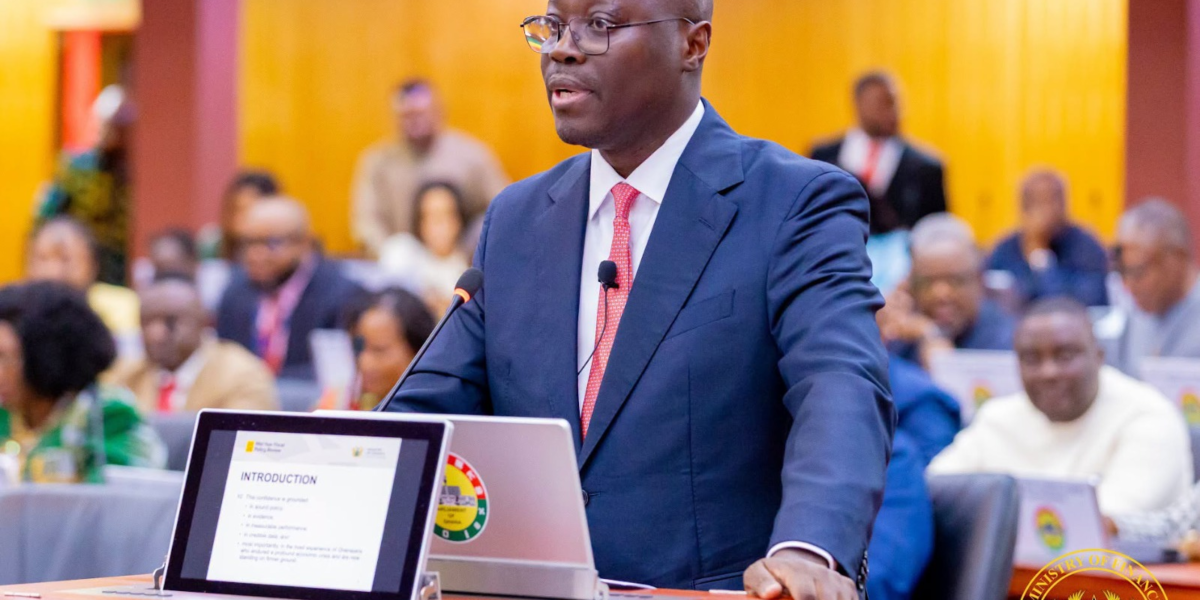
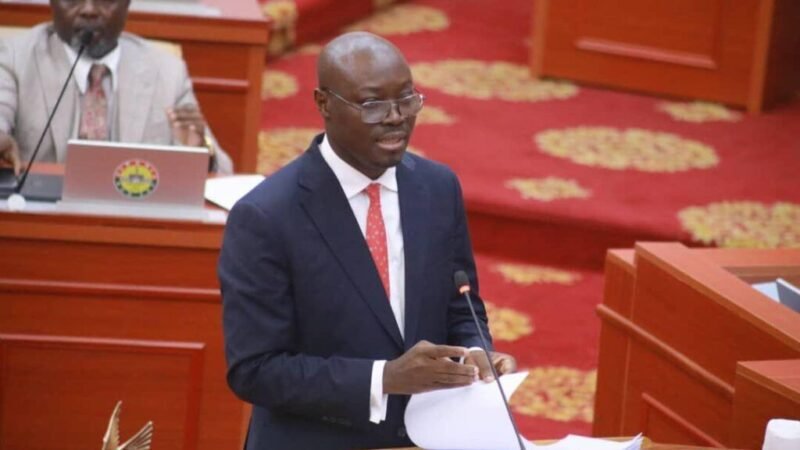
Finance Minister Dr Cassiel Ato Forson has revealed a shocking repayment plan for Ghana's GH¢111 billion domestic debt burden over the next two years. The country faces a massive debt repayment obligation, with GH¢58 billion in Domestic Debt Exchange Programme (DDEP) bonds maturing in 2027 and a further GH¢53 billion falling due in 2028.
Background
Ghana's debt restructuring efforts are nearing completion, but the government has inherited significant debt obligations arising from the DDEP. According to Finance Minister Dr Cassiel Ato Forson, the country's debt burden is a result of the DDEP being designed to delay Ghana's debt burden rather than eliminate it. "It architected mortgaged tomorrow to survive today," he said, using a metaphor to illustrate his point. "They had a duty to fix the roof. Instead, they moved the leak to another room and declared the house repaired."
Dr Forson argued that the DDEP was not designed to solve Ghana's debt problems but to postpone them deliberately. He noted that the government has responded by strengthening the Sinking Fund to ensure the country is adequately prepared to meet the large debt repayments due over the next two years. The Sinking Fund has accumulated GH¢15.6 billion as of July 22, 2026, and is expected to reach GH¢30 billion by the end of the year.
What This Means
The Finance Minister's revelation highlights the gravity of Ghana's debt situation and the need for responsible fiscal management. Dr Forson emphasized that meeting obligations of this magnitude requires advanced planning, not last-minute scrambling. He announced that under the 2026–2029 Medium-Term Debt Management Strategy, seven per cent of non-oil tax revenue, together with proceeds from domestic bond issuances, will be paid into the Sinking Fund to build a "war chest" for the 2027 and 2028 debt maturities.
The projected amount of GH¢30 billion in the Sinking Fund by the end of 2026 is expected to be sufficient to settle the GH¢30 billion in DDEP debt scheduled to mature in February 2027, reducing refinancing risks and strengthening investor confidence. This demonstrates a commitment to responsible fiscal management and ensuring that Ghana meets its future debt obligations without resorting to emergency measures.
What Happens Next
The government's strategy aims to build a wall that will meet the wind so that when 2027 and 2028 come, Ghana will not scramble. The Finance Minister expressed confidence that the balance in the Sinking Fund will reach GH¢30 billion by the end of 2026, sending a signal to investors, credit rating agencies, and the people of Ghana that this government plans ahead, honours its commitment, and manages the public finances better. As Ghana navigates its debt repayment plan, the country's future fiscal management will be closely watched by international investors and analysts.
The revelation of Ghana's GH¢111 billion domestic debt burden serves as a stark reminder of the country's economic challenges. As the government works to strengthen the Sinking Fund and meet its debt obligations, it is clear that responsible fiscal management will be crucial in determining Ghana's economic trajectory. The Finance Minister's plan to build a "war chest" for the 2027 and 2028 debt maturities is a step in the right direction, but the country's economic future remains uncertain.
Source: Joy Online