Surplus with a Caveat: What Tweneboah Kodua’s Budget Statement Hides
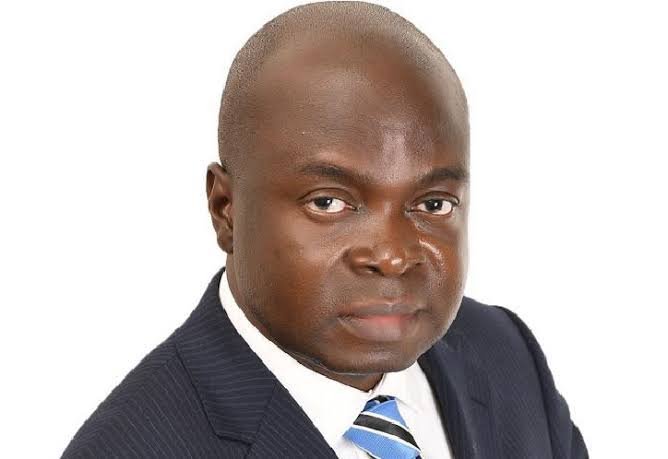
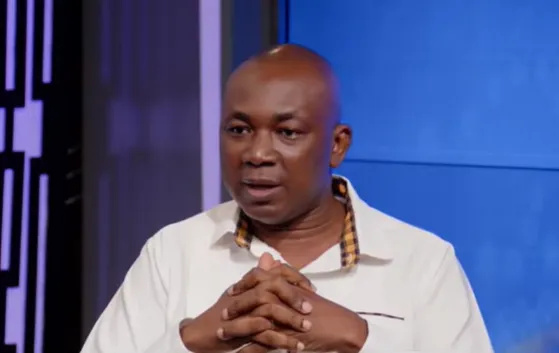
In Ghana, a country in West Africa, the government has announced a primary fiscal surplus of about 1.4% of GDP in the 2026 Budget. However, this achievement has been met with skepticism by Deputy Ranking Member on Parliament's Economy and Development Committee, Tweneboah Kodua Fokuo.
Background
Ghana's Finance Minister, Dr Cassiel Ato Forson, presented the 2026 Mid-Year Budget Review, which included the reported primary surplus. According to Mr Kodua, the government's celebration of this surplus is premature, as it came after spending significantly less than what had been approved in the 2026 Budget. Mr Kodua questioned the Finance Minister's assertion that the government had recorded one of its strongest expenditure performances in recent years.
The Manso Nkwanta MP argued that the government's expenditure performance should be assessed against its original budget commitments rather than the amounts it had released to ministries and agencies. He claimed that simply listing the amounts released to various institutions does not provide the full picture. "You are declaring a surplus whilst actually the level of expenditure that you budgeted for, you didn't even reach at the minimum," Mr Kodua said.
What This Means
The government's reported primary surplus of 1.4% of GDP should be viewed in the context of the lower-than-planned spending. Mr Kodua emphasized that the public deserves greater transparency on budget implementation, particularly how actual spending compares with approved allocations. He argued that the government must explain why planned expenditures were not fully executed.
The government had budgeted to spend GH¢158 billion in the first quarter, but the actual expenditure amounted to GH¢127 billion, short of the target by about 20%. Mr Kodua explained that this discrepancy raises legitimate questions about the government's priorities and decision-making processes. "You don't just budget. You budget because there was a need for you to fulfil. If you budgeted to spend on programmes such as Mahama Cares, which is about healthcare and human capital, and then you fall short of that expenditure, it raises legitimate questions," he stated.
What Happens Next
The controversy surrounding the government's budget implementation is likely to continue, with the opposition Minority calling for greater transparency and accountability. Mr Kodua's comments have sparked a debate about the government's priorities and decision-making processes. As the country continues to navigate its economic challenges, the public will be watching closely to see how the government responds to these criticisms and whether it will provide greater clarity on its budget implementation.
The implications of this controversy extend beyond Ghana's borders, as it highlights the importance of transparency and accountability in government spending. As countries around the world grapple with their own economic challenges, the example set by Ghana's government will be closely watched. Will the government respond to these criticisms by providing greater transparency and accountability, or will it continue to maintain the status quo? Only time will tell.
Source: Joy Online