Unlocking Africa’s Hidden Energy Giant: Jinapor Speaks Out
Unlocking Africa's Hidden Energy Giant: Jinapor Speaks Out
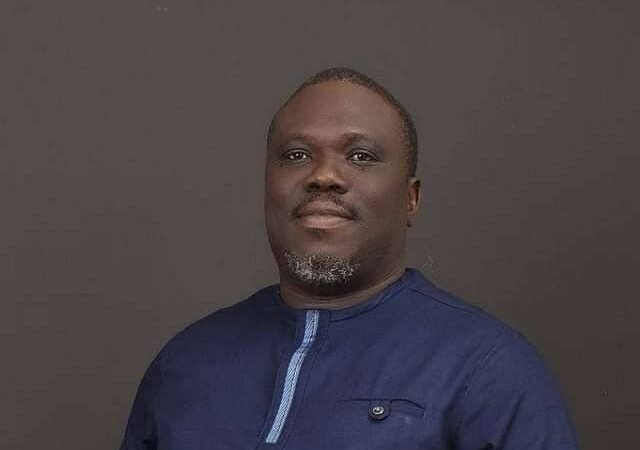
Ghana's Energy and Green Transition Minister, Dr John Abdulai Jinapor, has highlighted the need for coordinated investment to unlock Africa's energy potential. Speaking at the Stellenbosch Business School Alumni Association Thought Leadership Forum in Accra on Thursday, Dr Jinapor emphasized the importance of harnessing Africa's energy resources to support technology, innovation, industrial growth, and development.
Africa's Energy Sector Constrained by High Capital Costs
Dr Jinapor stated that financing remains the biggest barrier to unlocking Africa's energy potential, with high capital costs linked to perceived risks, limited investment concentration, and inadequate funding for energy access and infrastructure. He noted that public and private financiers, including G20-linked institutions and multilateral development banks, mobilized about US$345 billion for African energy projects between 2012 and 2021. However, about 77% of the funds went to only ten countries, including Egypt, Nigeria, South Africa, Angola, Morocco, Ghana, Uganda, Kenya, and Ethiopia.
Africa Possesses Significant Energy Resources, Yet Many Lack Access to Electricity
Despite possessing significant energy resources, including strong solar potential and oil and gas reserves in countries such as Nigeria, Mozambique, Algeria, and Senegal, more than half of Africans lack access to electricity. Dr Jinapor emphasized the need for effective funding structures, cost controls, and government commitment to close the gap between Africa's energy potential and reality. He also highlighted the challenge of clean cooking, where many households continue to rely on inefficient use of firewood, contributing to health problems, deforestation, and waste.
Sustained Investment in Transmission, Distribution, and Energy Storage Needed
Dr Jinapor called for sustained investment in transmission, distribution, and energy storage, as well as stronger cross-border electricity trade. He said sharing excess power within the region could help countries "push it to countries ahead of us and improve energy security." He also emphasized the need for African governments to prioritize strategic and collaborative financing to develop sustainable and resilient power systems and deepen regional electricity trade.
Collective Action Needed to Achieve Sustainable Development
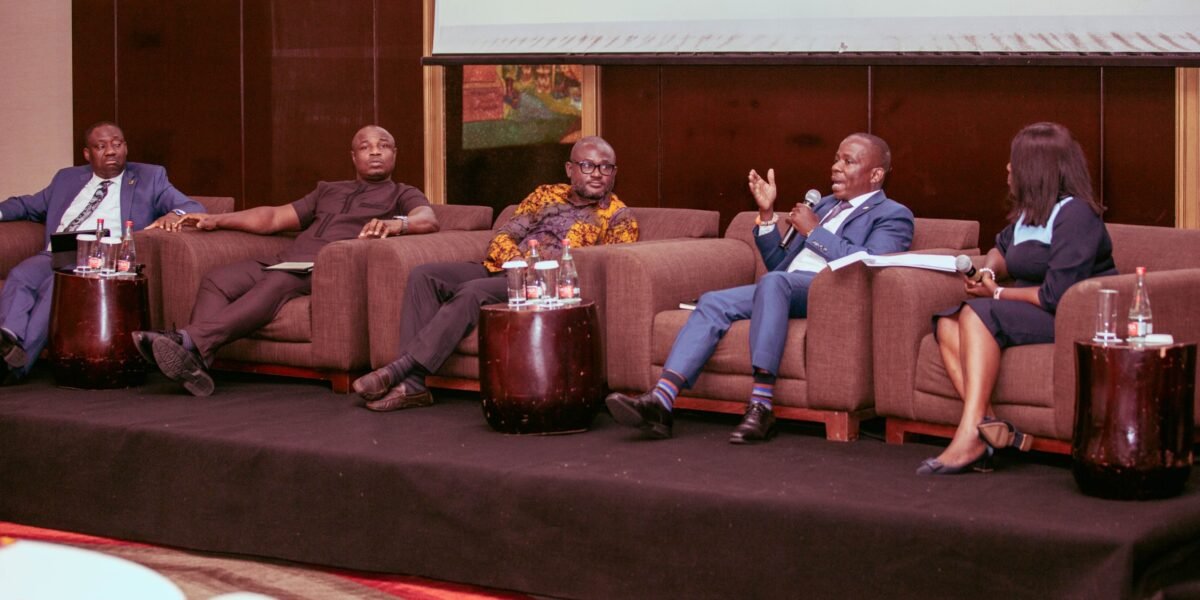
During a panel discussion, speakers emphasized the need for a common vision on sustainable development and collective action to achieve it. They cited mobile money as evidence that technology could succeed in Africa when adapted to local realities and urged similar approaches in sectors such as energy access. The speakers noted that access to capital alone would not address the continent's development challenges and that Africa needs to strengthen its technological and data capabilities.
Unlocking Africa's Energy Wealth to Drive Industrialization and Poverty Reduction
Dr Jinapor concluded that with the right funding structures, cost controls, and government prioritization, Africa can unlock its energy wealth to drive industrialization and poverty reduction. He encouraged African governments to prioritize actions, capitalize economic transformation, and manage energy resources as an economic base, not as a social handout plagued by subsidies and overspending. As the world continues to grapple with the challenges of energy access and sustainable development, Dr Jinapor's words serve as a call to action for African governments and international partners to work together to unlock the continent's energy potential and drive economic growth and development.
Source: Joy Online