Ghana’s Banking System Still in Foreign Hands, IMF Reveals
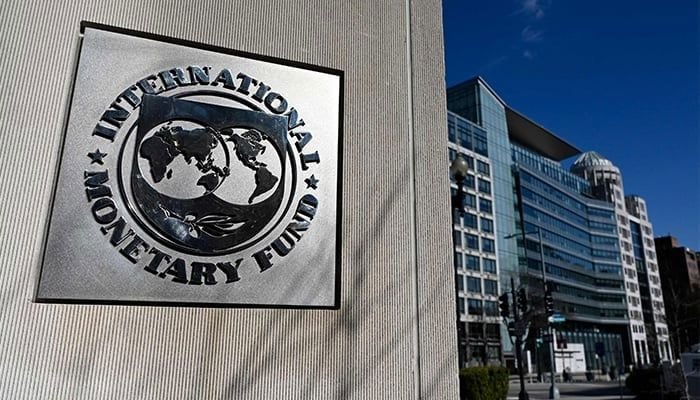
The Ghanaian banking system remains largely under foreign control, according to a recent revelation by the International Monetary Fund (IMF). Foreign-owned banks continue to hold a dominant position in the sector, leaving domestically owned and state-owned banks vulnerable to potential risks.
The Foreign Grip on Ghana's Banking Sector
Ghana's banking system has been a subject of interest for various stakeholders, including the IMF, which has been monitoring the sector closely. The organization's latest report highlights the systemic dominance of foreign-owned banks, leaving a smaller but potentially more vulnerable segment for domestically owned and state-owned banks.
Implications for Ghana's Financial Stability
The dominance of foreign-owned banks in Ghana's banking system raises concerns about the country's financial stability. Ghana's economy is heavily reliant on foreign investment, and the country's banking system is no exception. The foreign ownership of banks in Ghana may limit the government's ability to implement policies that benefit the local economy.
The Path Forward
The IMF's report serves as a reminder of the need for Ghana to diversify its banking sector and reduce its reliance on foreign-owned banks. The government may need to consider implementing policies that promote the growth of domestically owned and state-owned banks. This could include providing incentives for local investors to establish banks and offering support to state-owned banks to improve their competitiveness.
The Ghanaian government must now take a closer look at its banking system and consider ways to promote the growth of domestically owned and state-owned banks. This could involve implementing policies that support local investors and providing incentives for state-owned banks to improve their competitiveness. Ultimately, the goal is to create a more stable and resilient banking system that benefits the local economy and promotes financial stability.
Source: 3News