Ghana’s Energy Crisis: IMF-Backed Reforms Must Deliver or Face the Consequences
Ghana's Energy Crisis: IMF-Backed Reforms Must Deliver or Face the Consequences
Ghana's energy sector is on the brink of collapse, with the country's electricity distribution company, ECG, struggling to meet its financial obligations. The situation has raised concerns about the country's fiscal stability, with experts warning that the persistent weaknesses in the energy sector pose a significant threat to Ghana's economic well-being.
Ghana's Energy Crisis: A Decades-Long Problem
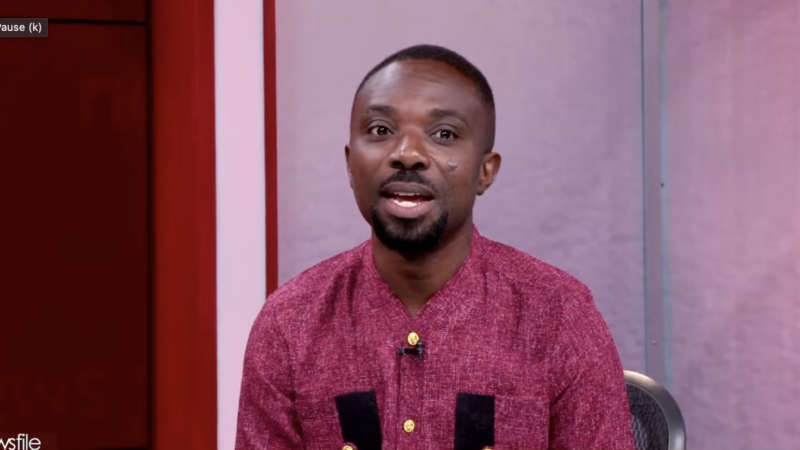
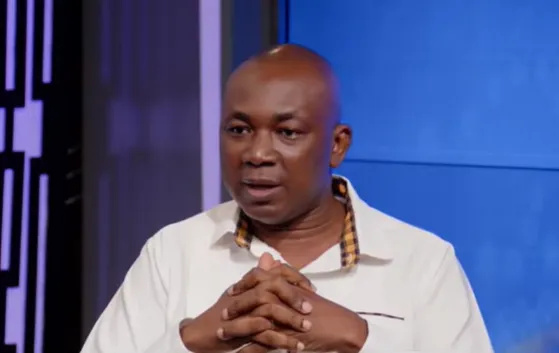
According to Professor Godfred Bokpin, an economist and Professor of Finance, the fundamental issues plaguing Ghana's energy sector are not new. Speaking on JoyNews' Newsfile, Prof. Bokpin noted that many of the problems currently confronting the Electricity Company of Ghana (ECG) pre-date Ghana's current IMF-supported programme. He warned that the focus should not simply be on criticising the data being used to assess the sector's financial position, but rather on using the greater availability of information under the programme to measure whether meaningful progress is being made.
Prof. Bokpin acknowledged that the IMF programme has contributed to greater transparency in the management of the energy sector and has helped improve the operation of mechanisms designed to ensure that available revenues are distributed across the electricity value chain. However, he emphasized that the data being presented on the amount that needs to be paid and the financial projections should not be dismissed or used to discredit the country's electricity sector.
The Need for Private-Sector Participation
Prof. Bokpin stressed that reducing losses across the electricity value chain will require substantial investment. He argued that Ghana cannot expect to significantly reduce generation, transmission, and distribution losses without investing in infrastructure and improving operational efficiency. The economist therefore urged policymakers to confront the investment gap directly and determine how the necessary capital can be mobilised while ensuring that the sector becomes more efficient.
Prof. Bokpin also pointed to the proposed involvement of the private sector in ECG and the wider electricity distribution system. He said government needs to communicate clearly to the Ghanaian public exactly what form of private-sector participation it intends to pursue. He cautioned against framing the reform simply as "letting go" of ECG, arguing that private-sector participation can take several different forms.
The Burden on the State
Prof. Bokpin warned that the financial burden of the energy sector remains extremely significant. He noted that government's additional budgetary interventions to support the energy sector consume fiscal resources on a scale that should concern policymakers, particularly at a time when Ghana is under pressure to allocate limited funds to other critical areas. He questioned whether the country had demonstrated the capacity to implement the necessary reforms without external pressure.
The economist stressed that the Ministry of Finance has increased allocations towards the energy sector in recent years, particularly over the past four to five years. However, he argued that additional funding must be accompanied by demonstrable efficiency improvements. Prof. Bokpin noted that the cash waterfall mechanism, which is intended to ensure that revenues generated within the electricity supply chain are allocated according to an agreed priority structure, is now functioning to some degree.
A Critical Juncture for Ghana's Energy Sector
Ghana's energy crisis is at a critical juncture, with the country's policymakers facing a daunting task of reforming the sector to ensure its long-term viability. The IMF-backed reforms must deliver, or the consequences for the country's economic stability and development prospects will be severe. As Prof. Bokpin noted, the country's ability to implement the necessary reforms without external pressure is questionable, and the investment gap must be addressed directly to ensure the sector becomes more efficient. The future of Ghana's energy sector hangs in the balance, and the clock is ticking.
Source: Joy Online