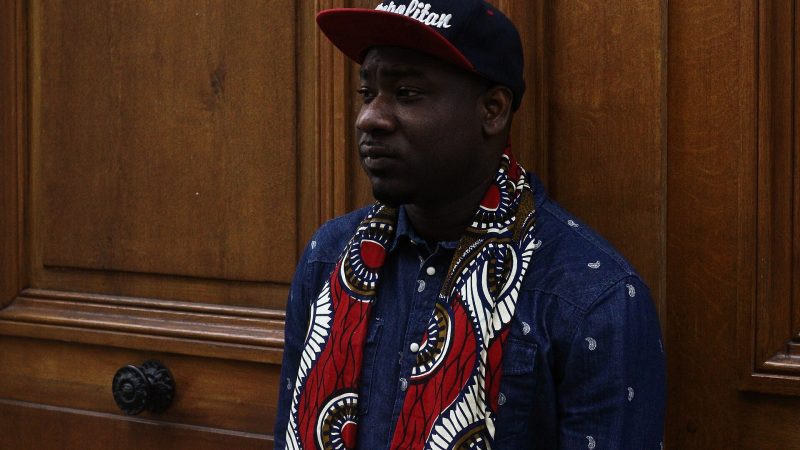
At 28, Ozwald Boateng became the youngest tailor ever to open on Savile Row. His father came from Ghana
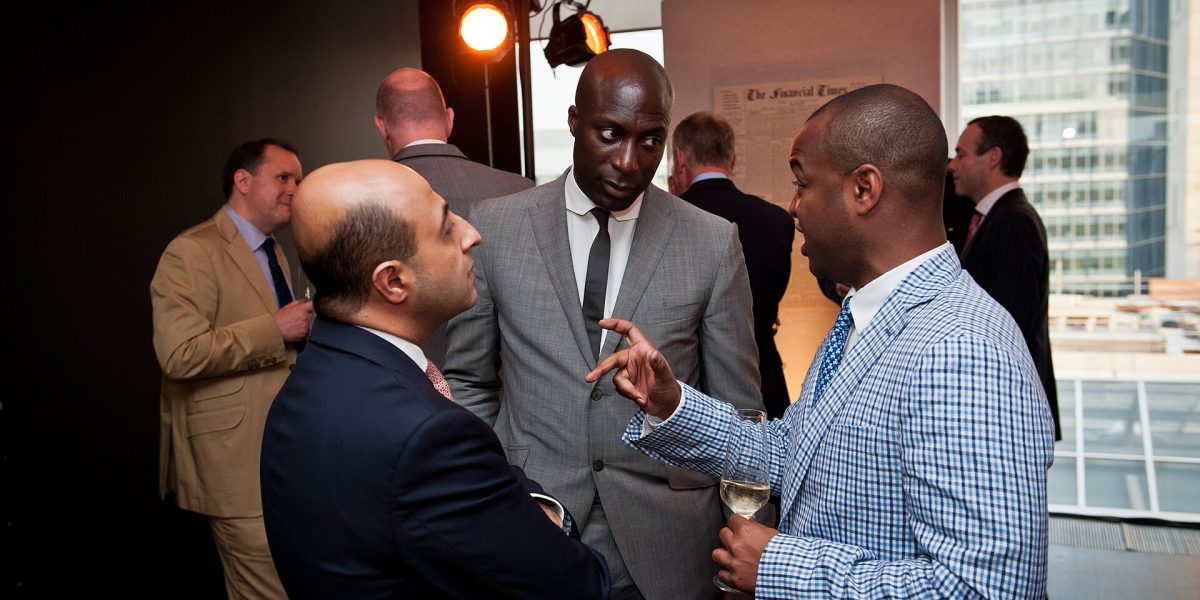
In 1995, a 28-year-old son of Ghanaian immigrants opened a tailoring shop on Vigo Street, at the southern end of Savile Row. Ozwald Boateng had become the youngest tailor ever to set up on London’s most famous street for men’s suits.
Savile Row had been dressing kings, prime ministers and aristocrats for two centuries. Its style was conservative: sober colours, traditional cuts and quiet luxury. Boateng brought bright linings, bold colours and a slimmer, sharper silhouette. The street’s old guard noticed, and so did a new generation of customers.
From Muswell Hill to Paris
Boateng was born in 1967 in London to Ghanaian parents and grew up in Muswell Hill in north London. He learned to sew as a teenager, originally studying computing before switching to fashion. He sold his first collection to a shop in Covent Garden and built his business step by step.
In 1994, a year before opening near Savile Row, he held his first catwalk show during Paris Fashion Week, a rare step for a tailor rather than a fashion house. It announced that he saw bespoke tailoring as fashion as well as tradition.
Givenchy
In 2003, Boateng was appointed creative director of menswear at Givenchy, the French luxury house. He held the role for several years, bringing his sense of colour and cut to one of the most famous names in fashion. For a British designer of African heritage, it was a landmark appointment.
Honours and recognition
He was appointed an OBE in 2006 for services to the fashion industry. His suits have been worn by musicians, actors and politicians, and his celebrity clients have included some of the best-known names in film and music. In 2019 he staged a show at the Apollo Theater in Harlem that celebrated Black style.
Ghana and Africa
Boateng has spoken often about his Ghanaian roots and about Africa’s potential. He has been involved in initiatives promoting African business and investment, and he has used his profile to encourage young African designers. His collections have drawn on African colours and textiles, blending them with the precision of British tailoring.
The influence
His success opened doors on Savile Row and in luxury fashion for designers who did not fit the old mould. The idea that a Black tailor from north London could lead a Paris fashion house’s menswear line was unusual in the early 2000s. Today, African and diaspora designers are prominent in fashion capitals, and Boateng is widely seen as one of the people who broke that ground.
His father’s country gave him his surname. Savile Row gave him an address. What he did with the two was change what a London suit looks like.