Ama Ata Aidoo was the first published female African dramatist. She never stopped arguing
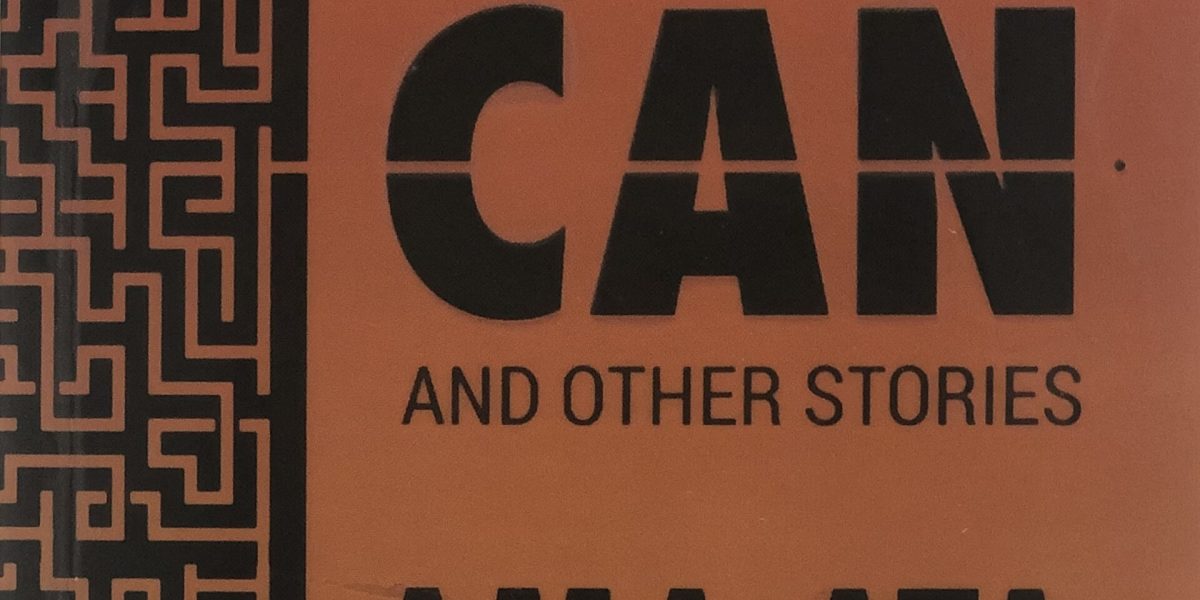
When The Dilemma of a Ghost was published in 1965, Ama Ata Aidoo became the first African woman to have a play published. She was in her early twenties.
Aidoo, who died in Accra on 31 May 2023 at the age of 81, went on to become one of the most important writers in African literature: a playwright, novelist, poet, short-story writer, teacher and, for a short time, a government minister.
The Dilemma of a Ghost
The play tells the story of Ato, a Ghanaian man who returns home from studying in the United States with an African American wife, Eulalie. His family expects one kind of marriage; Eulalie expects another. The clash between them, over children, customs and what “home” means, is the “dilemma” of the title. The play explored questions of identity and the African diaspora that Ghana is still discussing today.
Anowa and Our Sister Killjoy
Anowa (1970), her second play, was based on a Fante legend about a headstrong young woman who marries against her parents’ wishes. It is widely studied in schools and universities.
Our Sister Killjoy (1977), her first novel, follows a young Ghanaian woman travelling in Europe and questioning everything she sees about race, colonialism and the choices of Africans abroad. Its form, mixing prose and poetry, was unusual and bold.
Changes
Her novel Changes: A Love Story (1991) follows Esi, an educated woman in Accra who leaves her husband and becomes the second wife of another man. The book examines love, marriage, polygamy and the pressures on professional African women. It won the Commonwealth Writers’ Prize for the best book from Africa in 1992.
In government
Aidoo was appointed Secretary for Education in 1982 under Jerry Rawlings’s Provisional National Defence Council. She wanted to make education in Ghana free and accessible. She resigned about eighteen months later, recognising that she could not carry out her plans. She later spoke about the experience as a lesson in how hard it is to change systems from inside.
Teacher and mentor
Aidoo taught at universities in Ghana, Zimbabwe and the United States, and she was a mentor to younger African writers, especially women. She founded the Mbaasem Foundation to support African women writers. Her essays and interviews were sharp on colonialism, sexism and the failures of African leadership.
The legacy
After her death, tributes came from writers and readers around the world. Her plays are still performed, and her books remain on reading lists across Africa and beyond.
Her first play asked what happens when a Ghanaian brings the diaspora home. Six decades later, with thousands of returnees settling in Accra, the question she put on stage in 1965 is a national conversation.