They walked out of Notsie backwards so their footprints pointed the wrong way. The story behind Hogbetsotso
According to Anlo tradition, the people escaped the walled city of Notsie by walking backwards, so that their footprints would appear to lead into the city instead of out of it.
That escape is the heart of Hogbetsotso, the festival of the Anlo Ewe in the Volta Region of Ghana. Its name comes from “Hogbe”, referring to Notsie, and “tsotso”, meaning to come out or leave. It is celebrated every November, with the grand durbar held on the first Saturday of the month at Anloga, the traditional capital of the Anlo state.
The tyrant of Notsie
The Ewe once lived in Notsie, a walled town in what is now Togo. According to tradition, a cruel king called Agorkoli ruled there, oppressing the people with harsh laws and forced labour. One story says he ordered them to make rope from clay mixed with broken pottery, an impossible task meant to punish them.
The people planned their escape in secret. The women poured water on one section of the mud wall every day, softening it. On the chosen night, they drummed loudly to cover the noise, broke through the weakened wall, and slipped away. They walked backwards, the story goes, to confuse any pursuers.
Journey to the coast
The Ewe then split into groups that settled in different areas. The Anlo moved south towards the coast and the Keta Lagoon, settling around Anloga and the surrounding towns. Hogbetsotso celebrates both the escape and the founding of their new home.
How it is celebrated
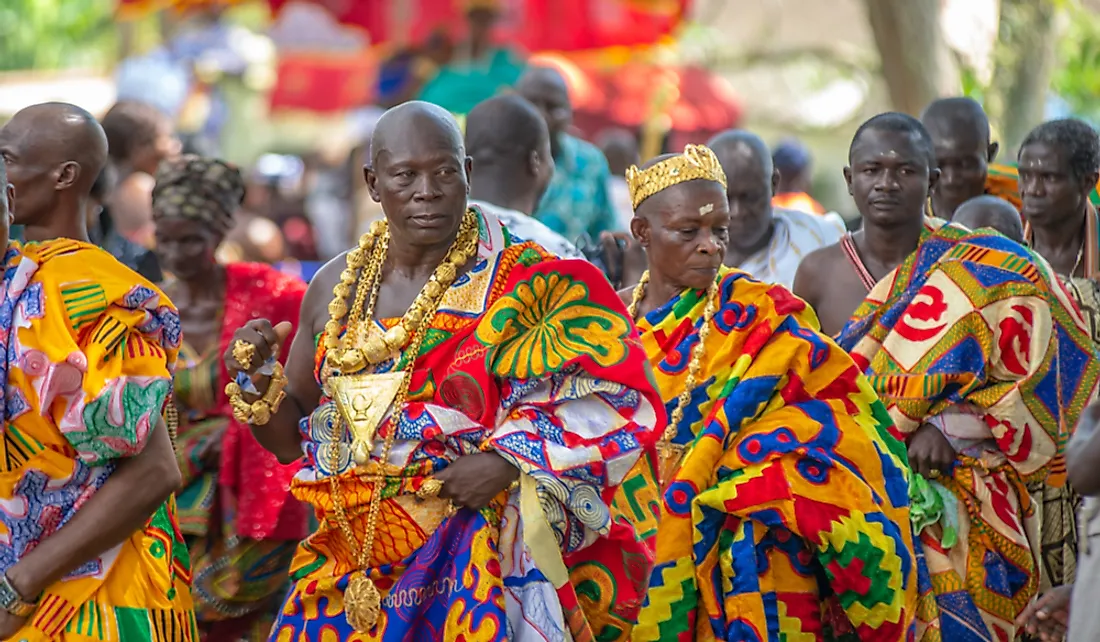
The festival lasts several days. It includes purification rites, peace-making ceremonies where disputes are resolved, and remembrance of ancestors. The climax is the grand durbar at Anloga, where the Awoamefia, the paramount chief of the Anlo, sits in state and receives chiefs, dignitaries and visitors.
Chiefs arrive in palanquins, dressed in rich cloth and gold, surrounded by drummers and dancers. Warrior dances re-enact the courage of the ancestors, and the crowd fills the durbar ground. Traditional Ewe drumming, including the famous agbadza and atsiagbekor, is at the centre of the celebration.
A festival of peace
An important part of Hogbetsotso is the emphasis on reconciliation. Before the main celebration, the community is encouraged to settle quarrels and clean the town, symbolising a fresh start. The festival also serves as a homecoming, bringing Anlo people back from Accra, Lomé and abroad.
Why the story lasts
The Notsie story is about resistance to tyranny and the determination to be free. Many Ewe see it as a founding lesson: that cruelty can be escaped through planning, unity and patience. It is taught to children, sung in songs and acted out at the festival.
The walls of Notsie are long gone. Every November at Anloga, the footprints are retold as if the escape happened last week.