The “African print” on your kaba started as a Dutch copy of Indonesian batik
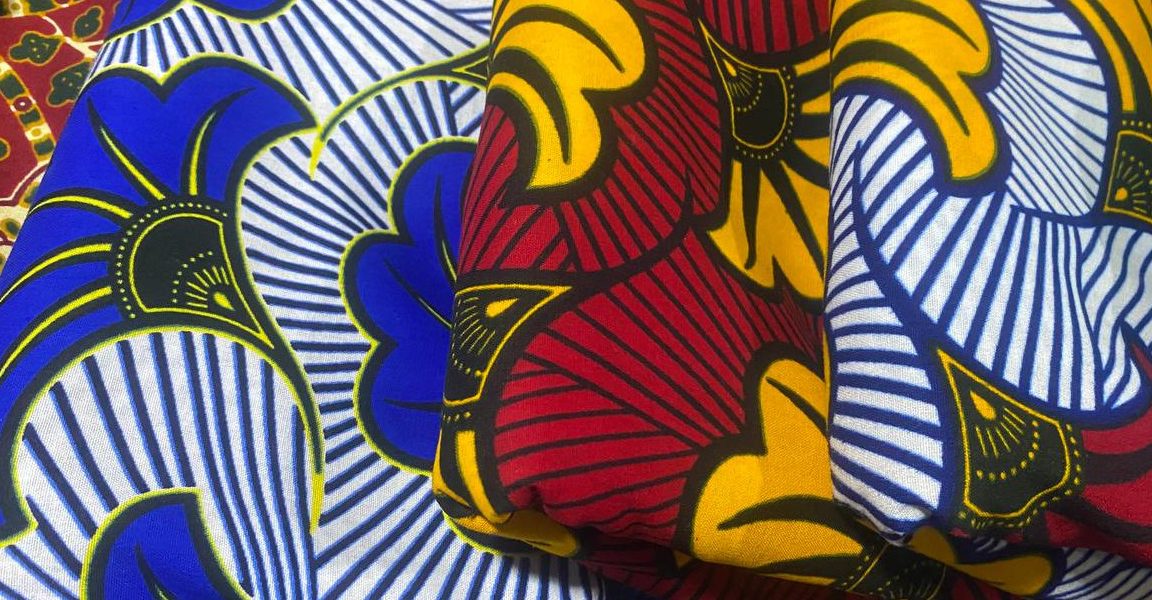
The fabric most of the world calls “African print” was first manufactured in the Netherlands, to imitate cloth from Indonesia.
In the nineteenth century, Dutch textile companies tried to mechanise the production of Indonesian batik, a hand-dyed fabric made by drawing patterns in wax and dyeing the cloth. The machine version, with its characteristic crackle lines where the resin cracked and dye seeped through, did not sell well in Indonesia, where people preferred the real thing. It found a much bigger market on the West African coast.
How it reached West Africa
The routes are debated, but one widely told explanation involves soldiers from the Gold Coast. In the nineteenth century, the Dutch recruited African soldiers from the Gold Coast to serve in the Dutch East Indies army. Some of them returned home with batik, creating a taste for it. Dutch and British trading houses then brought machine-made wax prints to West African ports, where they sold well.
Vlisco and the big names
The most famous manufacturer is Vlisco, founded in 1846 in Helmond in the Netherlands. Its “Real Dutch Wax” became a luxury product in West and Central Africa. Other producers followed, including factories in Britain and later in Africa itself, such as Ghana Textile Printing and Akosombo Textiles Limited in Ghana, and factories in Nigeria and Côte d’Ivoire.
In recent decades, cheaper prints from China have flooded markets, undercutting African manufacturers and raising questions about quality and copying of designs.
Patterns with names
West African women, especially traders, made the fabric their own. Popular patterns were given names and meanings, often related to proverbs, current events or relationships. A pattern could carry a message about marriage, jealousy, wealth or gossip, and women chose cloth to say something without speaking.
Market women, particularly the powerful cloth traders of Lomé known as the “Nana Benz”, became important partners for manufacturers, advising on which designs would sell and helping create the fashions that spread across the region.
A symbol of identity
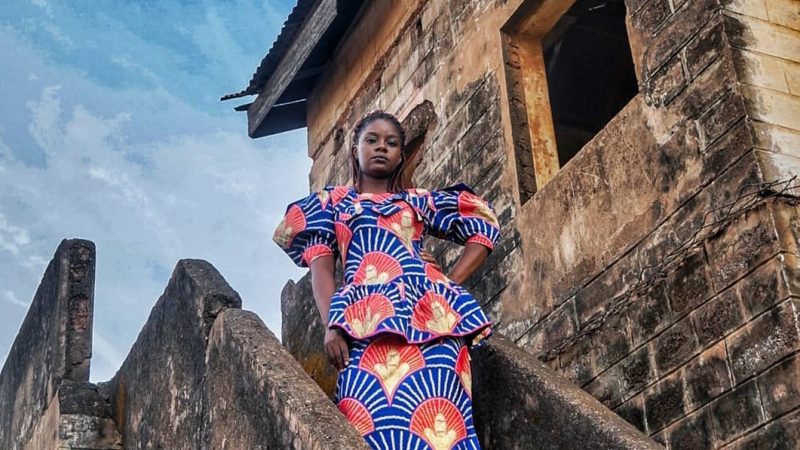
After independence, wax print became closely associated with African identity and pride. It is worn at weddings, funerals, church and work, sewn into kaba and slit, shirts, dresses and suits. Designers across Africa and the diaspora use it in high fashion, and it is sold worldwide.
The ownership question
The history raises a question often discussed by African designers and scholars: can a fabric first produced in Europe as a copy of Asian cloth be “African”? Most answer that African wearers, traders and designers gave it its meaning, its names and its place in culture. The factory origin is one part of the story; what West Africans did with it is the larger part.
The crackle lines in a wax print were once a flaw in a failed copy of batik. In Accra’s markets, they are now how buyers tell a good print from a cheap one.