The world laughed at the coffin dance in 2020. In Ghana, the pallbearers were running a serious business
In March 2020, millions of people around the world were laughing at Ghanaian men in suits dancing with a coffin on their shoulders. Most had no idea where the clip came from.
The “coffin dance” meme paired footage of the dancing pallbearers with “Astronomia”, an electronic track by Tony Igy, and used it as the punchline to videos of people failing or falling. It exploded on TikTok and social media during the first months of the COVID-19 pandemic, when death was on everyone’s mind.
Nana Otafrija
The pallbearers came from the Nana Otafrija Pallbearing and Waiting Services, a business in Accra run by Benjamin Aidoo. Aidoo had built the company by offering something extra at funerals: choreographed dancing and theatrical movements while carrying the coffin. He has said he wanted to “add colour” to the process and give families a way to send off their loved ones with style.
Families pay for the service, choosing how much dancing they want. The team wears matching suits, sometimes in bright colours, and performs routines that can include spinning, stepping and balancing the coffin in time with music.
Ghanaian funerals
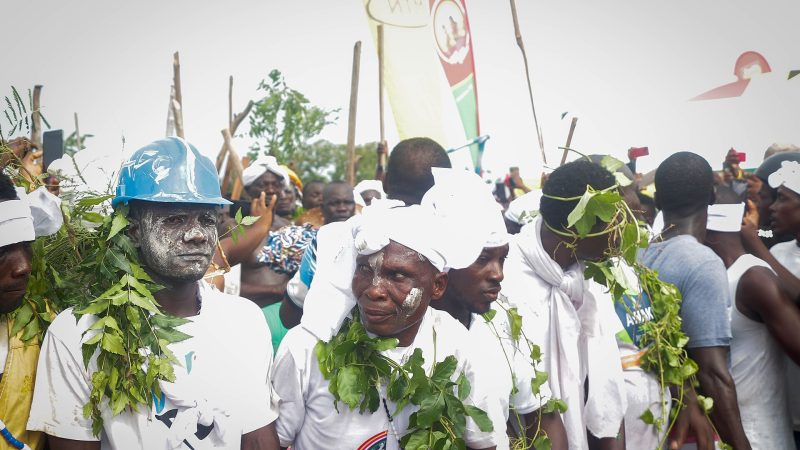
The dancing pallbearers make sense only in the context of Ghanaian funerals, which are among the most elaborate in the world. Funerals are major social events, often held weeks or months after a death to allow family to gather and plan. They can involve large crowds, music, dancing, printed cloth, food and drinks, and they are often very expensive.
For many families, a funeral is a celebration of a life as well as an occasion for grief. A long, successful life deserves a send-off with music and movement, and dancing is part of that tradition.
The pandemic twist
As the meme spread, Aidoo and his team leaned into it. They posed in masks with a message urging people to stay at home or “dance with us”, turning the meme into a public health campaign. Some officials around the world used the image for the same purpose.
Business boom
The global attention brought more requests for the pallbearers’ services and invitations for interviews and appearances. Other pallbearing groups across Ghana also gained attention, and “dancing pallbearers” became a recognised part of Ghana’s image abroad.
Criticism at home
Not all Ghanaians approve. Some see the practice as disrespectful or wasteful, and critics of Ghana’s costly funeral culture argue that families go into debt to impress guests. Traditional authorities in some areas have tried to limit funeral spending, such as the Manso Datano council cutting funeral observance periods to reduce costs.
The world saw a joke about death. In Ghana, it was a job, done with rehearsed steps, for families who wanted their loved ones carried out dancing.