Ironing, washing, praying: the everyday moves of Azonto, the Ghanaian dance that crossed the world in 2011
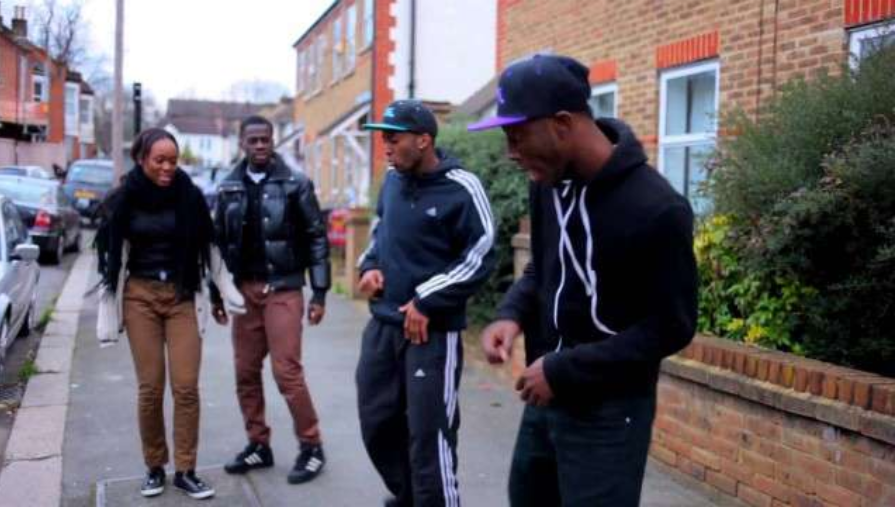
The first rule of Azonto is that you dance what you do. Iron a shirt, answer a phone, drive a car, pray: if you can mime it, you can Azonto it.
In 2011, the dance swept Ghana and then the world. Built on playful gestures that act out daily life, Azonto became the signature dance of a generation of Ghanaian music and spread through YouTube to diaspora communities in the United Kingdom and United States, and then far beyond.
Where it came from
Azonto grew out of Accra’s streets and dance culture, especially in Ga communities, before it became a national craze. Young dancers invented and shared moves, competing to create the most creative or funny actions. The name came to describe both the dance and a wave of upbeat songs made for it.
The songs
Several songs drove the craze. “U Go Kill Me”, by Sarkodie featuring E.L, released in 2011, was one of the biggest. A video montage of Azonto competitions in Accra high schools set to the song spread widely online. Guru’s “Lapaz Toyota” was another hit, along with tracks by many other Ghanaian artists who released Azonto songs to catch the wave.
In London, Fuse ODG, a British-Ghanaian artist, took the dance to the UK mainstream with “Azonto” and then “Antenna”, which became a major hit in 2013. His success showed that Ghanaian dance music could chart in Britain.
YouTube and the diaspora
Azonto spread through amateur videos: students, families and groups of friends filmed themselves dancing, and the clips went viral. Ghanaians abroad used it to connect with home, and non-Ghanaians learned it from online tutorials. Nigerian artists, including Wizkid, joined in with Azonto-inspired songs and moves.
What made it work
Azonto was easy to learn and endlessly flexible. You did not need to be a professional dancer; you needed imagination and a sense of humour. It rewarded creativity, and every dancer could add new moves.
After Azonto
Like all dance crazes, Azonto eventually gave way to new ones. Ghanaian and Nigerian music produced a series of dance trends in the years that followed, and TikTok later made dance challenges a standard part of promoting songs. Azonto is often remembered as one of the first African dance crazes of the social media era, a forerunner of the challenges that now drive Afrobeats hits.
This Is New Africa
Fuse ODG built on his Azonto success with a wider message. His 2014 album T.I.N.A., short for “This Is New Africa”, promoted a positive image of the continent and encouraged the diaspora to invest in and visit Africa. The Azonto years had given him the platform; he used it to talk about how Africa is seen from abroad.
The moves were ironing and washing. The result was one of the first times the world copied a dance from the streets of Accra in real time.