Breaking the Capital: CCMG Pushes for Local Control Over Migration Governance
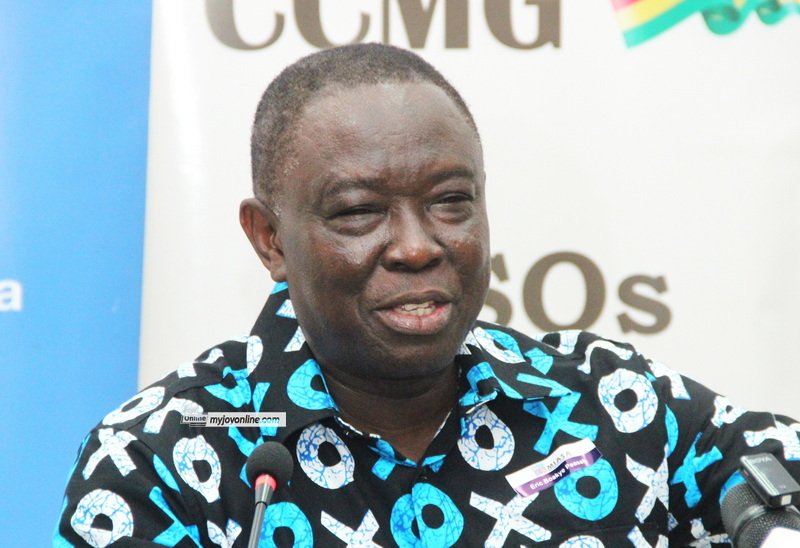
In a bold move, the Coalition of Civil Society Organisations on Migration in Ghana (CCMG) is pushing for local control over migration governance. The call comes from CCMG's National President, Eric Boakye Peasah, who argues that foreign nationals are present in communities across the country, making migration governance a local issue rather than a national one.
Decentralising Migration Governance
At the 2026 Post-International Migration Review Forum (IMRF) National Stakeholder Dialogue in Ghana, Eric Boakye Peasah emphasized that migration governance should no longer be handled primarily from the national level. He stated, "In reality, most migration activities, challenges, and opportunities play out at the local level. So managing migration governance should also take place more within the districts." This approach would give metropolitan, municipal, and district assemblies (MMDAs) the power to manage migration-related issues within their jurisdictions.
District assemblies are already taking steps towards decentralising migration governance. The National Development Planning Commission (NDPC) introduced a policy this year requiring every district assembly to incorporate migration into its development agenda. Eric Boakye Peasah described this move as the "first step" towards effective decentralisation of migration management. However, he noted that the assemblies would require more than policy directives to perform the role effectively.
Bridging the Information Gap
To bridge the information gap, Eric Boakye Peasah proposed the establishment of a dedicated digital platform for metropolitan, municipal, and district assemblies. The platform could serve as a central repository for migration data, policy guidance, and public education. He explained that the platform would enable local authorities to monitor migration trends, support migrants and returnees, and improve coordination with national institutions.
The proposal for a digital platform is part of a broader push for decentralisation of migration governance in Ghana. The country has managed migration centrally for many years, but CCMG believes that the responsibility should now be assigned to district and municipal assemblies. This shift would bring migration governance closer to the communities where it plays out, rather than relying on national-level decisions.
Condemning Xenophobic Attacks
The CCMG President also condemned the recent xenophobic attacks against African nationals in South Africa. Eric Boakye Peasah expressed disappointment that South Africans appeared to have forgotten the support they received from other African countries, including Ghana, during the country's liberation struggle. He stated, "It is disappointing that South Africans have failed to remember the massive support the country received from African countries, including Ghana, during the liberation struggle." He called on the African Union to take decisive action to protect the spirit of African solidarity and hold member states accountable when that spirit is violated.
The recent xenophobic attacks in South Africa highlight the complex challenges that migration presents. While migration creates opportunities for economic growth, innovation, cultural exchange, and development, it also presents complex challenges that require evidence-based responses. As Abena Owusua Amponsah-Bio, Implementation Manager and Programme Component Manager for the Development-oriented Migration Programme at GIZ, noted, "No single institution can address these issues alone."
Moving Forward
The call for decentralisation of migration governance in Ghana is part of a broader push for a collaborative and evidence-based approach to migration governance. As stakeholders move beyond dialogue and focus on implementing the commitments emerging from the 2026 International Migration Review Forum, it is essential to reflect on global migration processes and foster continuous learning. The journey towards effective migration management in Ghana should involve reflection on important global processes such as the IMRF, which is key for Ghana's positioning in the migration management ecosystem.
Source: Joy Online