DGPP’s Shocking GH¢21.89bn ‘Loss’: The Truth Behind the Accounting Adjustment
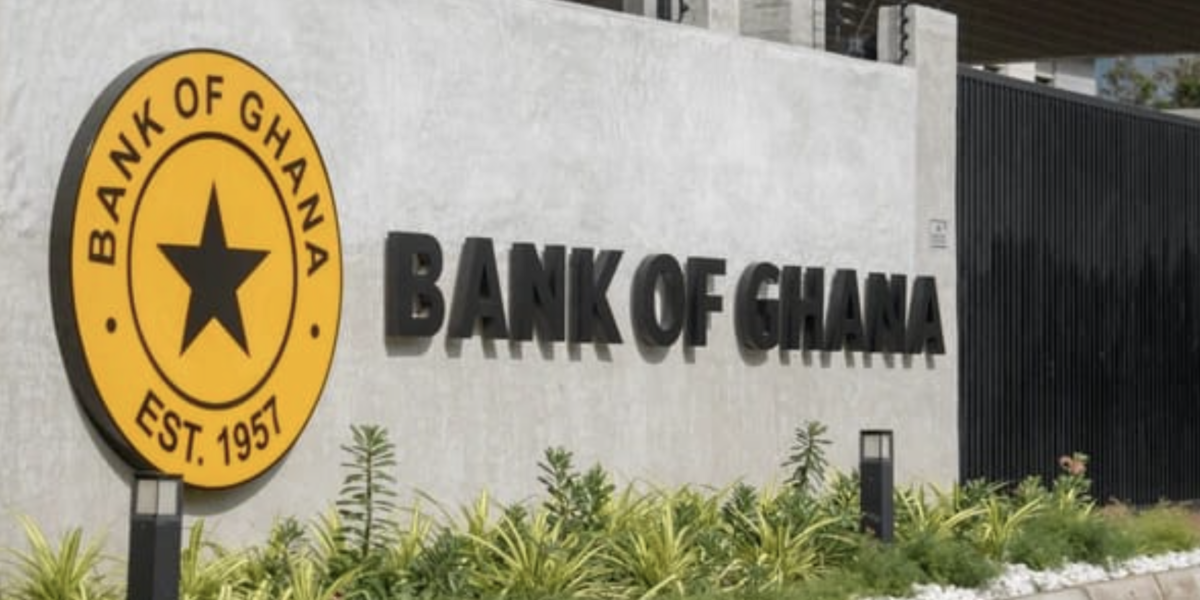
The Bank of Ghana has revealed a staggering GH¢21.89 billion loss under the Domestic Gold Purchase Programme (DGPP) in 2025. However, sources familiar with the programme and the Bank of Ghana have clarified that this figure represents an accounting adjustment rather than a direct cash expense.
The Accounting Adjustment: A Closer Look
According to sources, the adjustment largely arose from the difference between the exchange rate used to acquire gold from miners and the official rate at which the gold was recorded in the Bank's books. This exchange rate gap accounted for about 87% of the total gross programme cost. Gold is acquired from miners at prevailing market rates, and the same gold is then recorded in the Bank's books at the official Bank of Ghana rate.
The difference between the two rates creates the accounting adjustment, which is necessary to keep gold within the formal economy. Sources explained that buying gold below the prevailing market price would not necessarily reduce the cost to the state, but rather displace the gold into informal channels. Artisanal and small-scale gold is acquired in a competitive market, where the main competing purchaser is the smuggler.
The Impact of Exchange Rate Fluctuations
The cedi appreciated by approximately 40.7% during 2025, widening the difference between the market acquisition rate and the official recording rate. At the same time, the programme nearly doubled in volume, with gold acquired under the programme increasing from 56.47 tonnes in 2024 to 110.99 tonnes in 2025. The exchange rate divergence averaged below 5% in 2024 but rose to approximately 12% in 2025, with a considerably wider gap in the second half of 2025.
The Reconciliation: A Net Cost of GH¢9.05 Billion
The GH¢21.89 billion represents the gross programme cost, which includes the government's cost share of GH¢5 billion. A further GH¢7.9 billion in realised gains from gold bullion sales was also deducted. The resulting GH¢9.05 billion represents the net cost borne by the Bank of Ghana and is the amount recognised in its profit and loss account. Sources stressed that both figures are accurate and that the transaction charges and exchange-rate gap are being addressed through structural reforms.
IMF's Role in the Figure
Sources further clarified that the GH¢21.89 billion figure published by the International Monetary Fund did not originate from an independent IMF calculation. The figure was provided by the Bank of Ghana during the preparation and auditing of its 2025 accounts and was subsequently shared with the Fund as part of programme reporting. The same GH¢21.89 billion figure also appears in the Bank's public education materials issued alongside its 2025 financial results, together with the reconciliation to GH¢9.05 billion.
The Bank of Ghana's revelation of the accounting adjustment has sparked interest in the programme's operations and the reasons behind the exchange rate gap. While the exact details of the programme's reforms are yet to be announced, it is clear that the Bank of Ghana is taking steps to address the issues surrounding the DGPP. As the Bank continues to work on structural reforms, it remains to be seen how these changes will impact the programme's operations and the economy as a whole.
Source: Joy Online