
FOCOS orthopaedics chief: Patient safety must cover entire NCD care journey
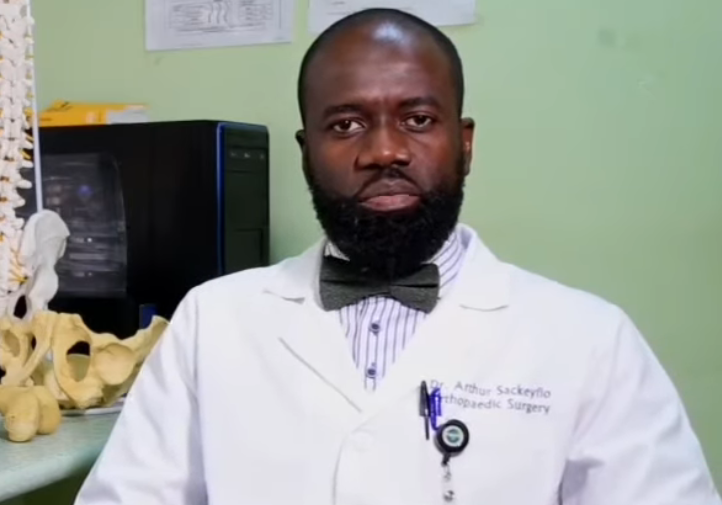
The most specific moment in the FOCOS Hospital panel discussion came when Dr Arthur Sackeyfio described a hospital visit as a chain of risk points. "Every transition from consultation to laboratory, pharmacy, imaging, admission, discharge and follow-up is an important opportunity to strengthen or compromise patient safety," he said. The Head of Orthopaedics at FOCOS Hospital in Accra was delivering his welcome address at a panel discussion organised by the hospital to mark the 2026 World Patient Safety Day celebrations, held under the theme "Safe Care for Non-Communicable Diseases (NCDs)."
His central argument was that safe care for people living with NCDs extends well beyond making the correct diagnosis. Dr Sackeyfio said it requires ensuring patients receive the right treatment at the right time, a process that includes accurate assessment, safe medication practices, appropriate monitoring, effective communication, proper documentation and timely follow-up. The advice arrives as healthcare systems across West Africa contend with the growing burden of hypertension, diabetes, cardiovascular diseases, cancer and chronic respiratory diseases.
The orthopaedics specialist framed NCD management as a long-term process that typically involves several healthcare professionals and departments. That makes coordination particularly important. He warned that patient safety cannot be confined to a single ward or a single doctor's decision.
"Patient safety is not the responsibility of one department or one group of healthcare professionals. It is everyone's responsibility," he said. He named doctors, nurses, pharmacists, administrative teams, support staff and management as groups that all have roles to play in preventing avoidable harm and improving the quality of care.
Dr Sackeyfio also pushed back against the idea that patients are passive recipients of care. He urged healthcare providers to recognise patients as partners in ensuring their own safety. Patients should be encouraged to ask questions, understand their conditions and medications, participate in decisions about their care and raise concerns when necessary. "An informed and engaged patient is an important partner in achieving safe outcomes," he said.
The address moved through specific areas of concern. He called for greater attention to medication safety, clinical communication and handovers, accurate documentation, patient identification, monitoring and follow-up. He encouraged healthcare institutions to use audits, incident reports, patient feedback and other quality-improvement data to identify and address risks.
He also addressed the culture inside healthcare institutions. Dr Sackeyfio called for an environment in which workers feel confident to speak up when they identify safety concerns. He said incidents and near-misses should be treated as opportunities to learn and improve systems, rather than simply as occasions to assign blame.
Prevention formed a significant part of his message. He stressed the importance of health education, regular screening, healthy lifestyles, appropriate vaccination and support for patients and their families to manage risk factors.
The event itself was part of a broader global observance. World Patient Safety Day was established by the World Health Assembly to focus attention on patient safety as a global health priority. The 2026 theme turned that focus toward non-communicable diseases, which account for a large share of premature deaths worldwide.
Dr Sackeyfio closed his welcome address with a warning against treating the day as a symbolic gesture. He said the observance should go beyond the celebration itself and encourage healthcare institutions and professionals to make patient safety part of their everyday practice. "Patient safety is not a destination. It is a continuous journey of learning, improvement and vigilance," he said, urging healthcare workers to speak up, learn from experience, improve their practices and work with patients to make safe care for people living with NCDs a reality.
According to Joy Online.