
Fuel Price Hikes Not Due to Greed, But Global Market Trends
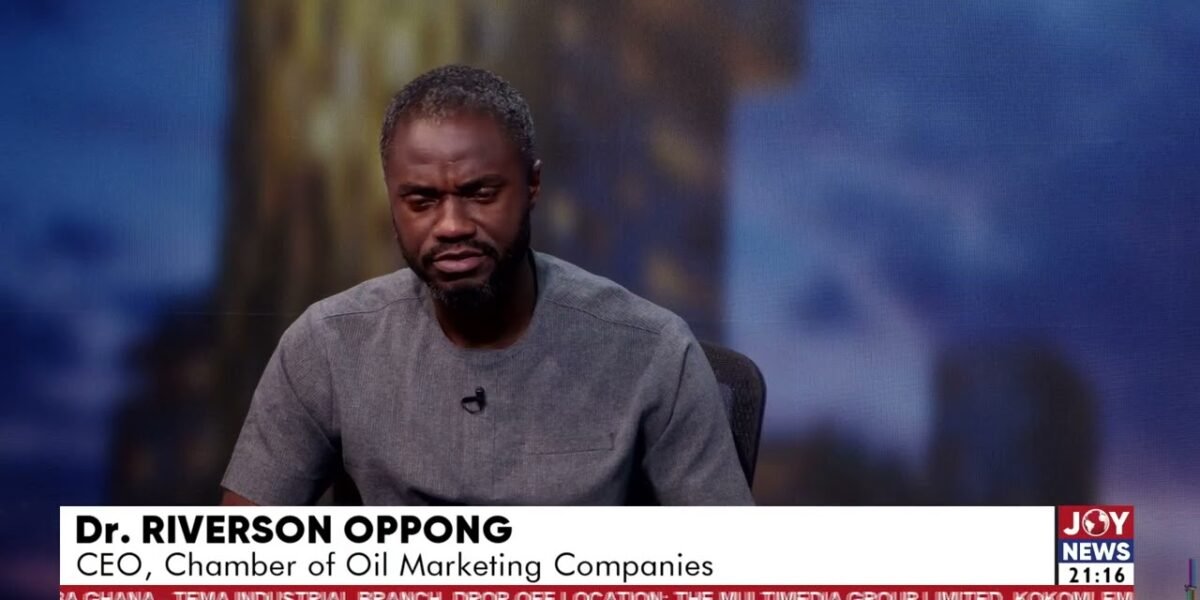
In a bid to ease concerns over rising fuel costs in Ghana, the Chief Executive Officer of the Chamber of Oil Marketing Companies (COMAC), Dr Riverson Oppong, has explained that the recent increases in fuel prices at the pumps are a direct result of rising international market costs. Speaking on Joy FM’s Newsnight on Monday, July 27, Dr Oppong emphasized that Oil Marketing Companies (OMCs) are not solely responsible for the price increases, but rather are compelled to reflect the actual cost of fuel supplied by Bulk Distribution Companies (BDCs).
Market Forces at Play
According to Dr Oppong, the current adjustments reflect the reality of the global petroleum market, where prices have been climbing due to movements in international crude and refined product prices. He noted that BDCs are increasing their prices, and in some cases, adjusting prices overnight or even two or three times in a day. This has forced OMCs to respond by passing on the costs to consumers, as they cannot continue absorbing rising costs without affecting their businesses.
Pricing Regulations and Compliance
Dr Oppong dismissed suggestions that some OMCs are violating pricing regulations, insisting that operators are complying with the approved price floor. He stated that no one is selling below the price floor, and that the Chamber's earlier advocacy for the National Petroleum Authority (NPA) to maintain a price floor was aimed at ensuring transparency and preventing unsustainable pricing practices. Dr Oppong added that the Chamber's goal is not to exploit consumers, but to ensure that OMCs can break even or make a minimal profit.
Looking Ahead
Looking ahead, Dr Oppong warned that consumers should brace for possible further increases in the next pricing window in August, depending on developments on the international market. He noted that the Chamber had expected BDCs to maintain their previous selling prices to enable OMCs to keep prices stable, but the recent adjustments have made that impossible. Dr Oppong emphasized that the Chamber's priority is to ensure that OMCs operate transparently and within the bounds of regulatory requirements.
A Global Market Phenomenon
The situation in Ghana is not unique, as fuel price increases are a global phenomenon driven by movements in international crude and refined product prices. As the global economy continues to navigate the challenges of inflation and supply chain disruptions, consumers in Ghana and around the world can expect fuel prices to remain volatile. In this context, Dr Oppong's explanation serves as a reminder that the forces driving fuel price increases are complex and multifaceted, and that OMCs are not solely responsible for the price increases.
A Call for Transparency and Regulation
Dr Oppong's comments highlight the need for transparency and regulation in the oil marketing industry. By advocating for a price floor, the Chamber of Oil Marketing Companies is seeking to prevent unsustainable pricing practices and ensure that consumers are protected from price gouging. As the industry continues to evolve, it is essential that regulatory bodies and industry stakeholders work together to ensure that OMCs operate transparently and within the bounds of regulatory requirements.
Source: Joy Online