Chinua Achebe wrote Things Fall Apart to answer the way Europeans wrote about Africa. It sold more than 20 million copies
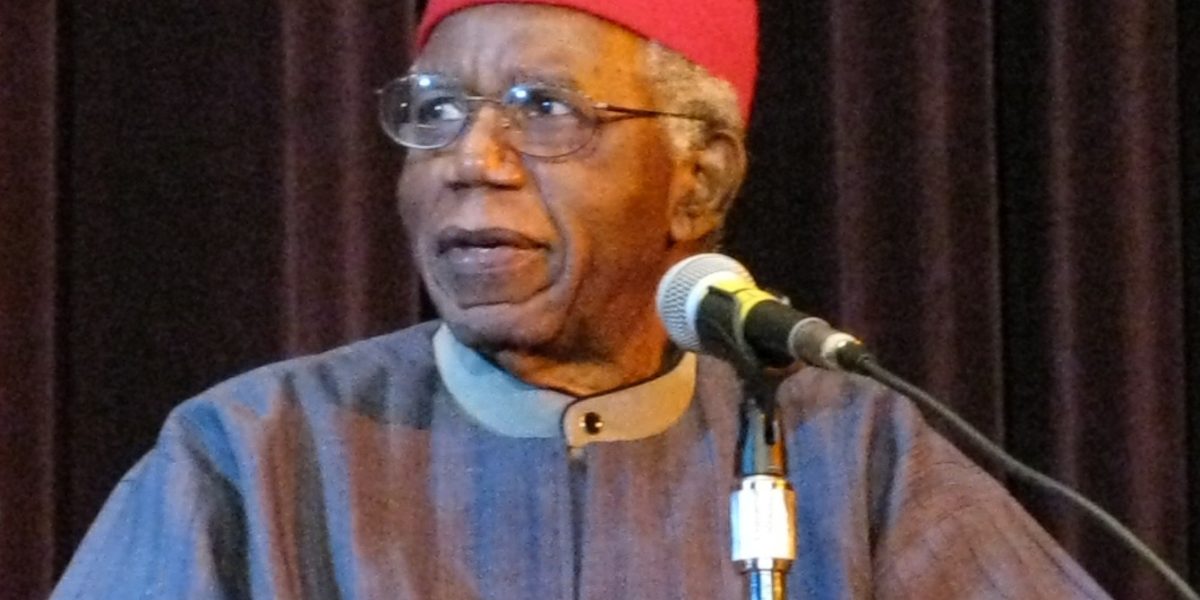
Chinua Achebe was a young Nigerian broadcaster when he decided the story of Africa had been told wrongly for long enough. His answer, published in 1958, was Things Fall Apart.
The novel has since sold more than 20 million copies and been translated into more than 50 languages. It is taught in schools across Africa, Europe and the Americas, and for many readers around the world it is the first African novel they ever read.
Okonkwo and Umuofia
The book follows Okonkwo, a proud, hard-working and quick-tempered man in the Igbo village of Umuofia in the late nineteenth century. He is a wrestling champion and a respected farmer, driven by fear of becoming like his father, whom he sees as weak and lazy.
Achebe shows Umuofia in detail: its councils, festivals, marriages, disputes, proverbs and religion. The village is complex, with its own laws and injustices. Then Christian missionaries and British colonial officers arrive, and the society that shaped Okonkwo begins to break apart. His struggle against that change ends in tragedy.
Why he wrote it
Achebe was reacting to European novels about Africa, especially Joyce Cary’s Mister Johnson and, later in his essays, Joseph Conrad’s Heart of Darkness, which he argued portrayed Africans as a dark backdrop without history or humanity. He wanted to show that African societies had their own dignity and complexity before colonial rule, and to tell that story from the inside.
The title comes from W.B. Yeats’s poem “The Second Coming”: “Things fall apart; the centre cannot hold.”
The African Writers Series
Heinemann in London published the novel, and its success helped launch the Heinemann African Writers Series in 1962, with Achebe as its first editorial adviser. The series published a generation of African authors, including Ngũgĩ wa Thiong’o, and made African literature widely available in schools and bookshops.
Language and proverbs
Achebe wrote in English but filled the book with Igbo words, ideas and proverbs. One line from the novel explains his method: “Among the Igbo the art of conversation is regarded very highly, and proverbs are the palm-oil with which words are eaten.” Readers in Ghana often notice how familiar the world of Umuofia feels, with its elders, proverbs and respect for tradition.
After Things Fall Apart
Achebe followed with No Longer at Ease (1960) and Arrow of God (1964), which with Things Fall Apart form what is often called the African Trilogy, and later A Man of the People and Anthills of the Savannah. He was badly injured in a car accident in Nigeria in 1990 and used a wheelchair afterwards, teaching for many years in the United States. He won the Man Booker International Prize in 2007 and died in Boston on 21 March 2013.
He set out to tell the world that Africa had a history before Europe arrived. More than 20 million copies later, the world has been listening for nearly seventy years.