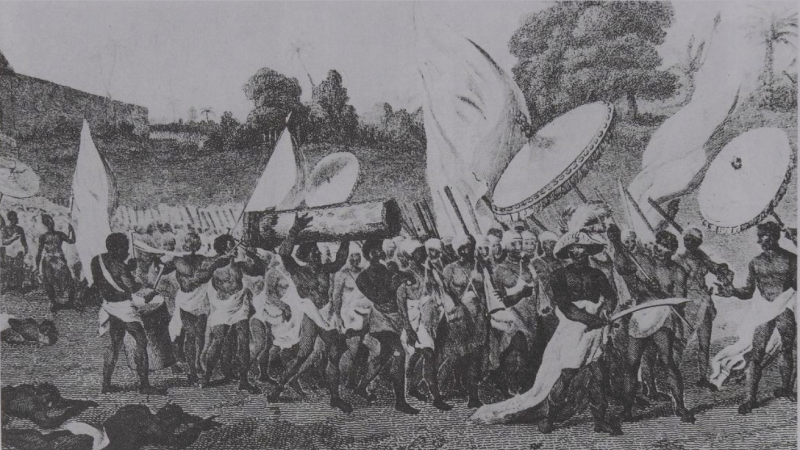
Every August, Cape Coast holds a candlelit vigil for the ancestors. PANAFEST and Emancipation Day explained
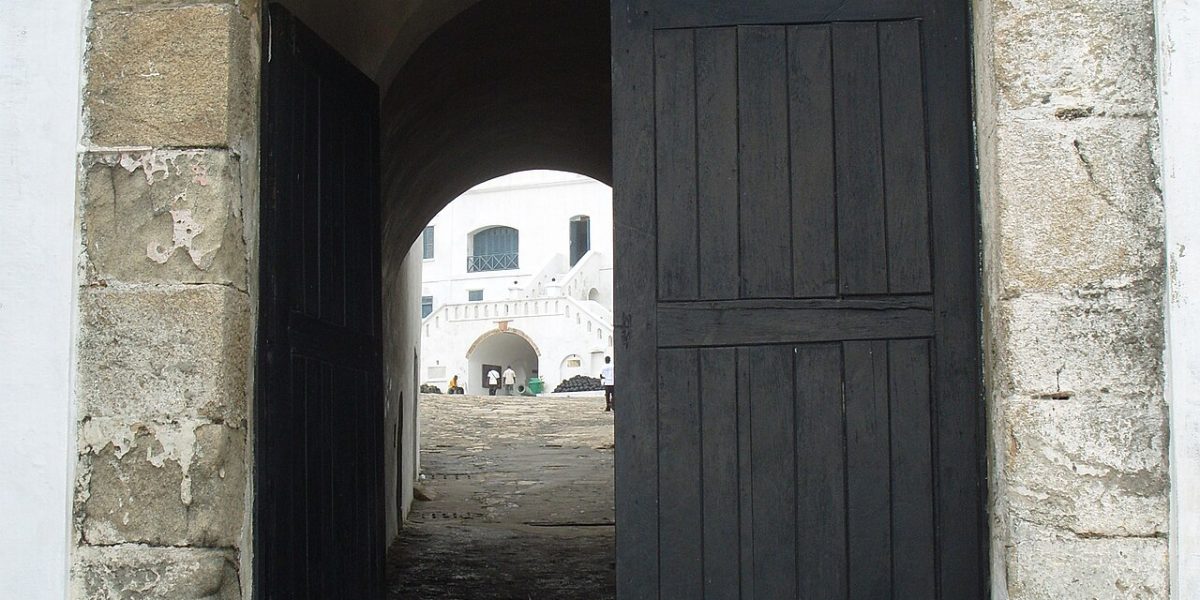
At midnight in Cape Coast, visitors dressed in white walk through the Door of No Return at the castle. Some weep. Some pray. It is the Reverential Night of PANAFEST.
The Pan-African Historical Theatre Festival, known as PANAFEST, was first held in Cape Coast in 1992. It brings together Africans and people of African descent from the Caribbean, the Americas and Europe for theatre, music, dance, lectures and ceremonies centred on the history of the transatlantic slave trade and the idea of African unity.
The idea
The festival grew from a proposal by the Ghanaian playwright Efua Sutherland, who believed theatre could help Africans and the diaspora confront a shared history. The government of Jerry Rawlings supported the event, and it became a regular part of Ghana’s cultural calendar, usually held every two years.
Emancipation Day
In 1998, Ghana became one of the first African countries to mark Emancipation Day, the anniversary of the abolition of slavery in the British Empire, on 1 August. The date had long been celebrated in the Caribbean. The first Ghanaian commemoration included the reburial of the remains of two formerly enslaved Africans, brought from Jamaica and the United States, at Assin Manso, where enslaved people once had their last bath at the Donkor Nsuo, the slave river, before the march to the coast.
Since then, PANAFEST and Emancipation Day have often been held together in late July and early August.
The castles
Cape Coast Castle and Elmina Castle, both UNESCO World Heritage Sites, are the emotional centre of the festival. Visitors tour the dungeons where enslaved men and women were held before being shipped across the Atlantic. The ceremonies there are intended as acts of remembrance and reconciliation.
Year of Return
The festival’s themes were at the heart of the 2019 Year of Return, which marked 400 years since the first recorded arrival of enslaved Africans in the English colony of Virginia. The Year of Return drew large numbers of visitors from the diaspora to Ghana, and PANAFEST that year was part of the programme.
Criticism
PANAFEST has faced complaints over funding, organisation and attendance, and some years have been smaller than others. Some Ghanaians have asked why a festival about the diaspora seems to attract more foreigners than locals.
For the visitors who make the trip, the night vigil is the reason they came. Walking back through the door that their ancestors passed only once is an experience many say they cannot describe.