The Wedding Party premiered in Toronto and broke Nigerian box office records. Its leads married in real life
A Lagos wedding in which everything goes wrong became the biggest Nigerian film of its moment. The Wedding Party opened in Nigerian cinemas in December 2016 and filled them for weeks.
The film had its world premiere at the Toronto International Film Festival in September 2016, as part of a programme spotlighting Lagos. It was directed by Kemi Adetiba and produced by a group of companies including EbonyLife Films, the studio led by Mo Abudu.
The story
Dunni, played by Adesua Etomi, is marrying Dozie, played by Banky W. Their families are very different: hers is a Yoruba family with a proud, fussy mother, his a wealthy Igbo family with a strained marriage at its head. Over one long wedding day, jealous exes, feuding parents, a nervous best man and a chaotic reception threaten to wreck everything.
The cast included Richard Mofe-Damijo, Sola Sobowale, Iretiola Doyle and Alibaba. Sola Sobowale’s performance as the bride’s mother became one of the film’s most quoted.
At the box office
The Wedding Party became one of the highest-grossing films in Nigerian history at the time of its release. Its success came as Nigeria’s cinema chains were expanding, with multiplexes in Lagos, Abuja and other cities giving Nollywood a new, paying audience.
A sequel, The Wedding Party 2, followed in 2017, with part of the story set in Dubai.
Life imitating art
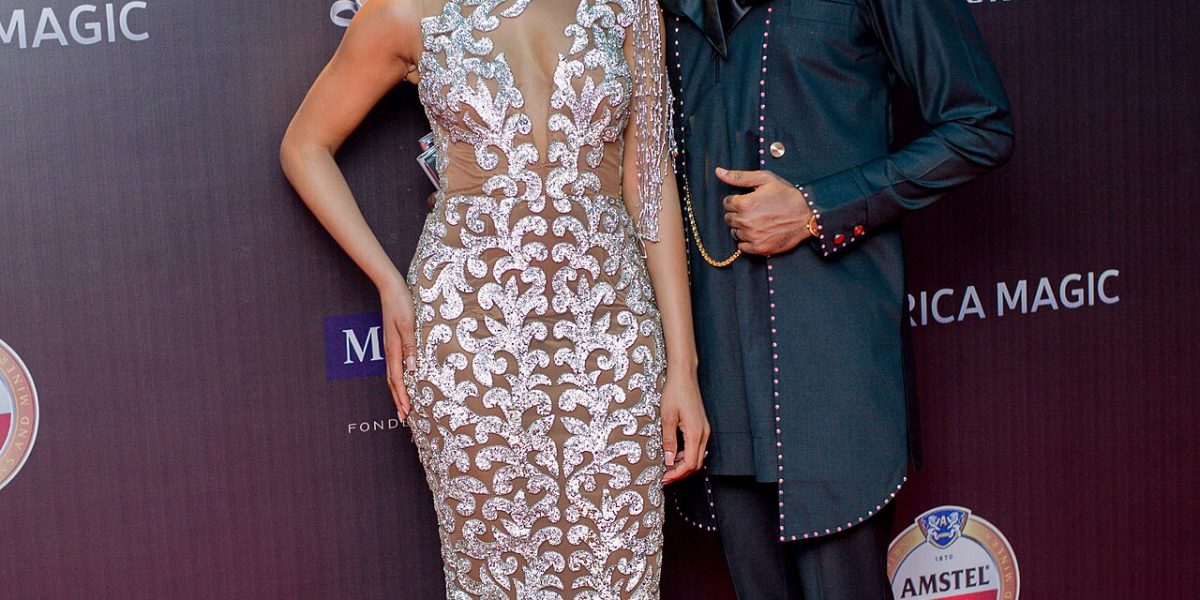
Adesua Etomi and Banky W began dating after the film and married in 2017, with a traditional ceremony in Lagos and a white wedding in Cape Town, South Africa. Fans followed the wedding with the hashtag BAAD2017. For many, it felt like a real-world sequel.
Kemi Adetiba
Adetiba, who had built her reputation directing music videos, went on to direct King of Boys in 2018, a political crime drama that became a hit and later a Netflix series.
Why it worked
Nigerian weddings are huge, noisy and expensive, and almost everyone has attended one. The film turned that shared experience into comedy, poking fun at aso ebi, mothers of the bride, MCs and uninvited guests. It also played the old rivalry between Yoruba and Igbo families for laughs, a joke that audiences on both sides of that divide were happy to share.
Ten years on, it is still the film Nigerians put on when relatives gather for a wedding weekend. Everyone recognises someone in it.