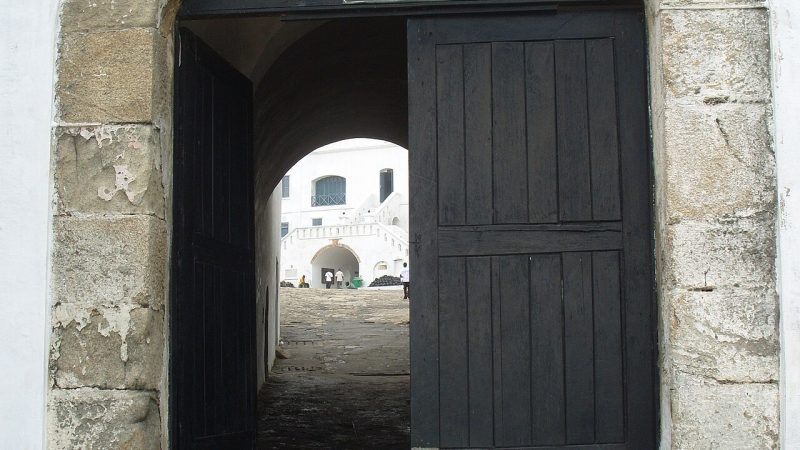
In 1986, Wole Soyinka became the first African to win the Nobel Prize in Literature. He had written some of his work in prison
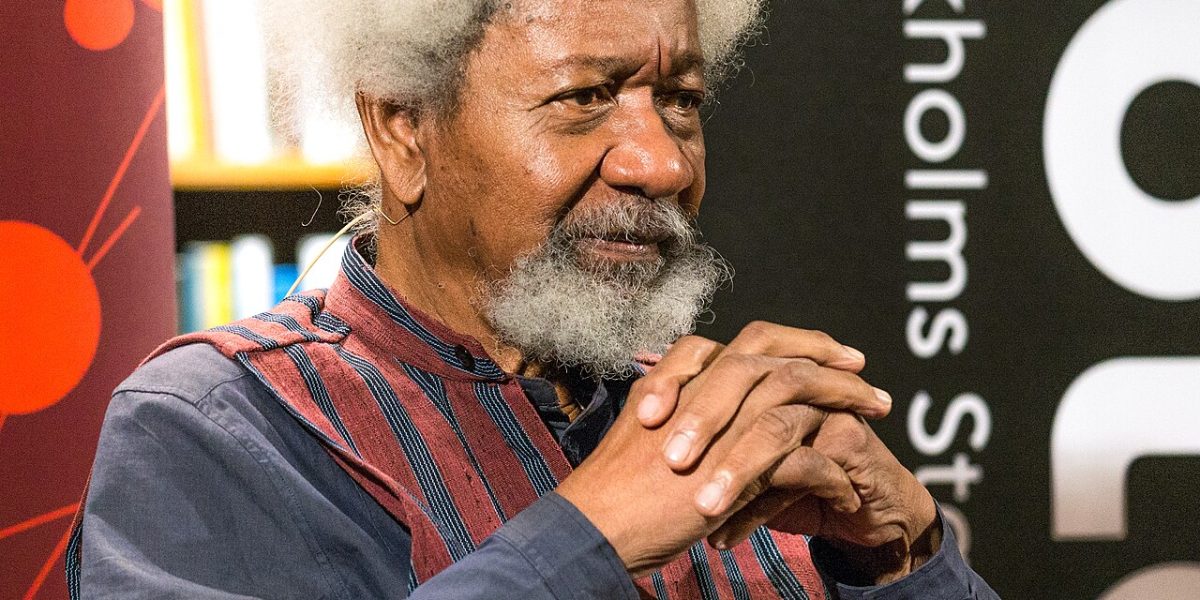
In October 1986, the Swedish Academy announced that the Nobel Prize in Literature would go to a Nigerian playwright. Wole Soyinka became the first African to win it.
Soyinka was born Akinwande Oluwole Soyinka in Abeokuta, in south-western Nigeria, on 13 July 1934. He studied at University College Ibadan and at the University of Leeds in England, and worked at the Royal Court Theatre in London before returning to Nigeria in 1960, the year of independence.
The plays
Soyinka’s plays draw on Yoruba mythology, ritual and language as well as European theatre. Among the best known are The Lion and the Jewel, a comedy about a village beauty and the chief who wants to marry her; A Dance of the Forests, written for independence; Kongi’s Harvest, a satire of dictatorship; and Death and the King’s Horseman, based on a real event in colonial Oyo in 1946, when a British officer intervened to stop a ritual suicide.
Prison
During the build-up to the Nigerian Civil War, Soyinka travelled to meet the Biafran leader, Emeka Ojukwu, in an attempt to prevent war. The federal government arrested him in 1967 and held him for about two years, much of it in solitary confinement. He wrote poems and notes on scraps of paper and between the lines of books. His prison memoir, The Man Died, was published in 1972.
The Nobel
The Nobel committee praised him as a writer who, “in a wide cultural perspective and with poetic overtones fashions the drama of existence.” In his Nobel lecture, he dedicated his remarks to Nelson Mandela, then still in prison, and spoke against apartheid.
Activism
Soyinka has spent much of his life in conflict with Nigerian governments. During General Sani Abacha’s rule in the 1990s, he fled Nigeria and was charged with treason in his absence. He returned after Abacha’s death in 1998.
He has continued to write memoirs, essays and novels, including Chronicles from the Land of the Happiest People on Earth, published in 2021.
Legacy
Soyinka opened the door for African writers on the world stage. Since 1986, Naguib Mahfouz, Nadine Gordimer, J. M. Coetzee, Doris Lessing and Abdulrazak Gurnah, all born or raised in Africa, have also won the prize.
Nigerians call him Kongi, after one of his own characters, a dictator. The nickname is affectionate. It also reminds everyone which side of power he has always been on.