Ga kenkey or Fante kenkey? The fermented maize ball that divides Ghana’s coast
Ask a Ghanaian which kenkey is better, Ga or Fante, and you may start an argument that lasts longer than the meal.
Kenkey is one of Ghana’s staple foods: a dumpling of fermented maize dough, wrapped in leaves and boiled until firm. It is eaten across southern Ghana, especially along the coast, and it is one of the dishes most Ghanaians abroad say they miss.
How it is made
Maize is soaked and ground into dough, which is left to ferment for a few days. That fermentation gives kenkey its sour taste. Part of the dough is cooked into a thick paste, called aflata, and mixed back with the raw dough. The mixture is shaped into balls, wrapped in leaves and boiled for hours.
Ga kenkey
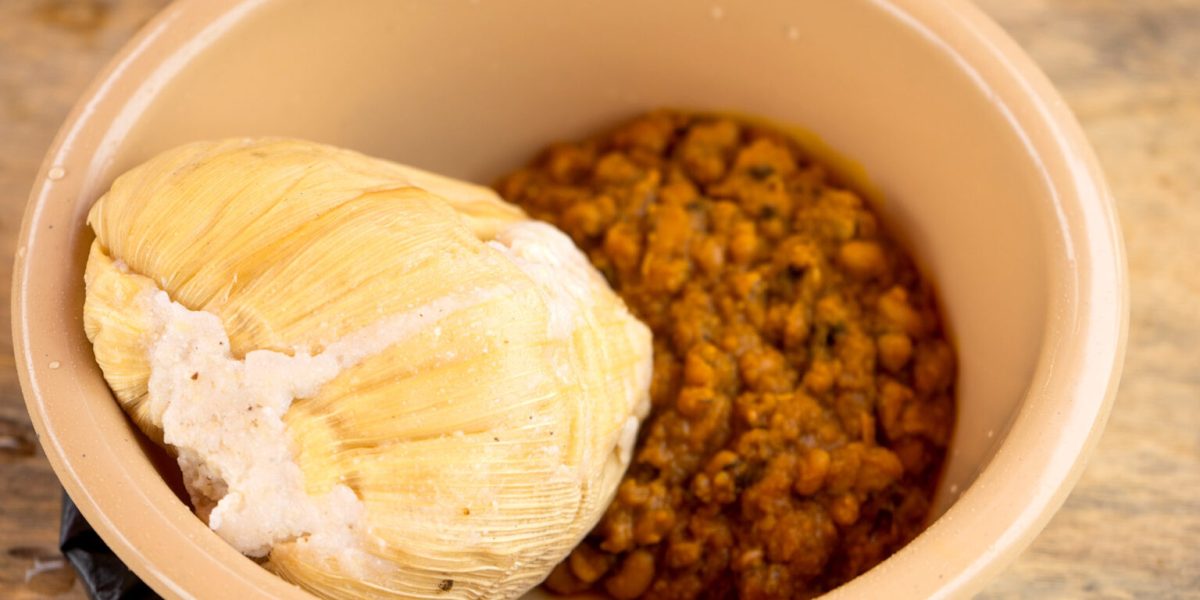
Ga kenkey, known in Ga as komi, is wrapped in dried corn husks. It is usually slightly salted, softer, and the most common kenkey in Accra. Kenkey sellers in Accra’s neighbourhoods sell it from large pots, often alongside fried fish and pepper.
Fante kenkey
Fante kenkey, sometimes called dokon, is wrapped in plantain or banana leaves. It is usually not salted, has a stronger sour flavour because of longer fermentation, and is often firmer and larger. It is associated with the Fante communities of the Central Region, such as Cape Coast and Elmina.
How it is eaten
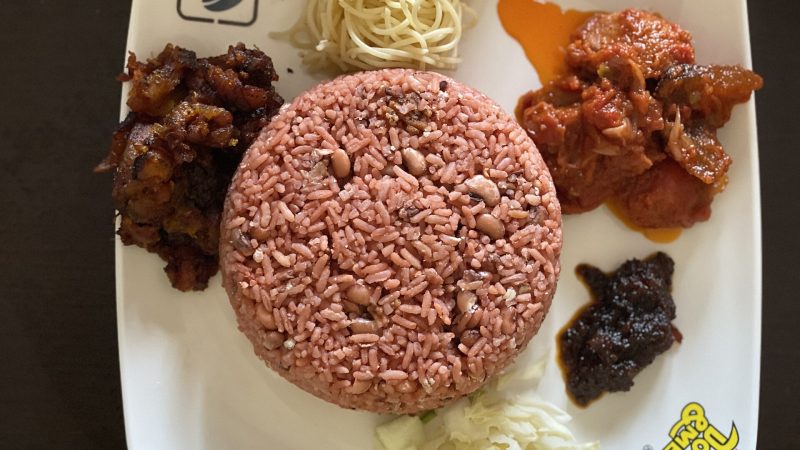
Kenkey is traditionally eaten with fried fish, such as herring or tilapia, and a fresh pepper sauce made from ground chilli, onions and tomatoes. Shito, the black pepper sauce made with dried fish and shrimp, is a popular addition. Some people eat it with soup or stew, and in some places with avocado or groundnuts. Leftover kenkey can be mashed with water, sugar and milk into a cool drink, known as ice kenkey, which is popular on hot days.
A food for all incomes
Kenkey is affordable and filling, which has made it a food for workers, students and families across incomes. It is sold at roadsides, markets and chop bars. It also travels well, and Ghanaian shops in London, New York and Toronto sell frozen kenkey for the diaspora.
The rivalry
The Ga-Fante debate is friendly but serious. Ga kenkey fans praise its softness and salt; Fante kenkey fans say theirs has real character. Many Ghanaians settle it by eating both.
Kenkey as business
Making kenkey is hard, time-consuming work: grinding maize, fermenting dough, stirring heavy pots of aflata and boiling hundreds of balls at a time. Much of it is done by women running small family businesses, some of whom supply whole neighbourhoods every day. The “kenkey house” where a family makes and sells kenkey is a familiar landmark in many Ga and Fante communities, and the smell of boiling kenkey is part of the morning in those streets.
Kenkey takes days to make and minutes to eat. The argument about which kind is best takes considerably longer.