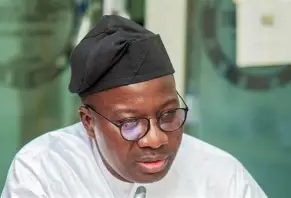
Shock Reform: Gov’t Proposes 10-Year Tenure for Chief Justice, Supreme Court Size Limit
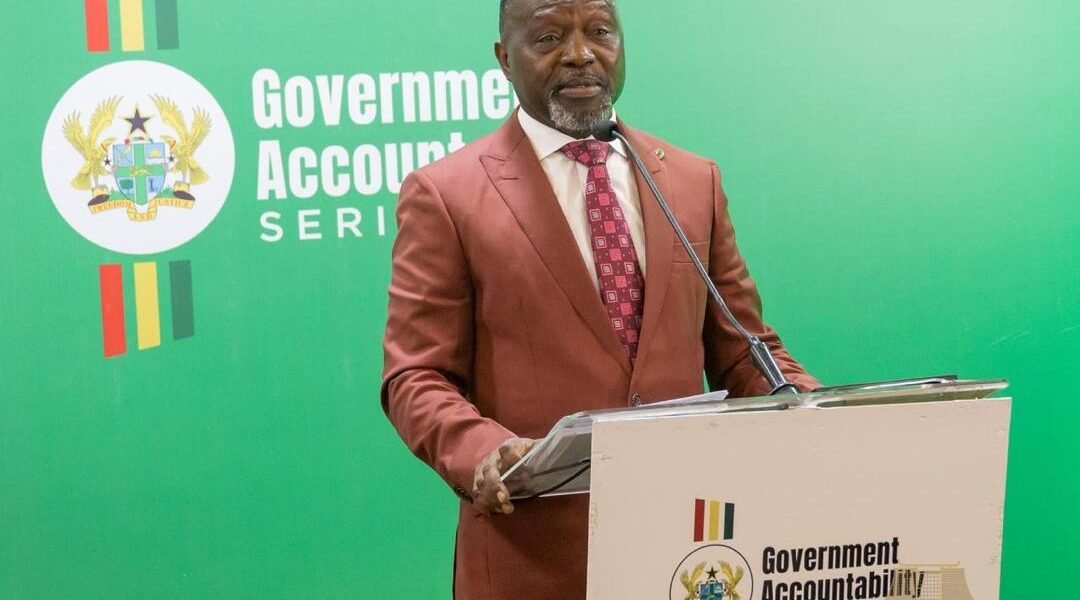
Ghana's Government Proposes 10-Year Tenure for Chief Justice, Supreme Court Size Limit
The Ghanaian government has announced a significant proposal for constitutional reforms aimed at ensuring orderly leadership transitions within the judiciary. Attorney-General and Minister for Justice, Dr Dominic Ayine, made the announcement on Thursday, July 30, following the presentation of the Constitutional Review Committee's final report to President John Dramani Mahama at the Presidency.
Fixed Tenure for Chief Justice
The government has proposed a fixed single term of office for Ghana's Chief Justice. According to Dr Ayine, the Chief Justice would serve a non-renewable term of 10 years or remain in office until reaching the mandatory retirement age, whichever comes first. This proposal aims to prevent a Chief Justice from occupying the office for an extended period and to ensure predictable transitions at the head of the Judiciary.
"This ensures predictable transitions at the head of the Judiciary and removes the risk of prolonged or indefinite occupancy of that high office," Dr Ayine explained.
Capping the Supreme Court's Membership
In addition to the fixed tenure for the Chief Justice, the government has also proposed capping the size of the Supreme Court. While the Constitutional Review Committee recommended limiting the Court to 15 justices, the government is proposing a larger bench comprising 19 members. The proposed cap of 19 justices would include the Chief Justice and 18 other members.
"A cap promotes efficiency and manages public expenditure, while a bench of nineteen remains sufficiently robust to discharge the Court's constitutional mandate," Dr Ayine stated.
Managing Public Expenditure
The proposal to cap the Supreme Court's membership at 19 justices aims to improve the Court's efficiency while helping to manage public expenditure. Dr Ayine explained that setting a maximum number of justices would allow the government to manage public expenditure effectively.
Background on Ghana's Judiciary
Ghana's judiciary has faced several challenges in recent years, including concerns over the independence of the judiciary and the appointment of judges. The proposed reforms aim to address these concerns and ensure that the judiciary is able to function effectively.
What's Next?
The proposed reforms will now be subject to public debate and discussion. The government will need to engage with stakeholders and the public to ensure that the reforms are widely accepted and understood. The Constitutional Review Committee will also need to consider the government's proposals and provide its own recommendations.
The proposed reforms are significant and have the potential to shape the future of Ghana's judiciary. If implemented, they could help to improve the efficiency and effectiveness of the judiciary, while also ensuring that the judiciary is able to function independently. However, the reforms will also need to be carefully considered to ensure that they do not compromise the independence of the judiciary or the rights of citizens.
The government's proposal to cap the Supreme Court's membership at 19 justices has sparked debate among legal experts and stakeholders. While some have welcomed the proposal, others have expressed concerns that it could compromise the independence of the judiciary. The debate over the proposed reforms is likely to continue in the coming weeks and months.
Source: Joy Online